Lärkstaden in Stockholm – history, architecture and urban planning
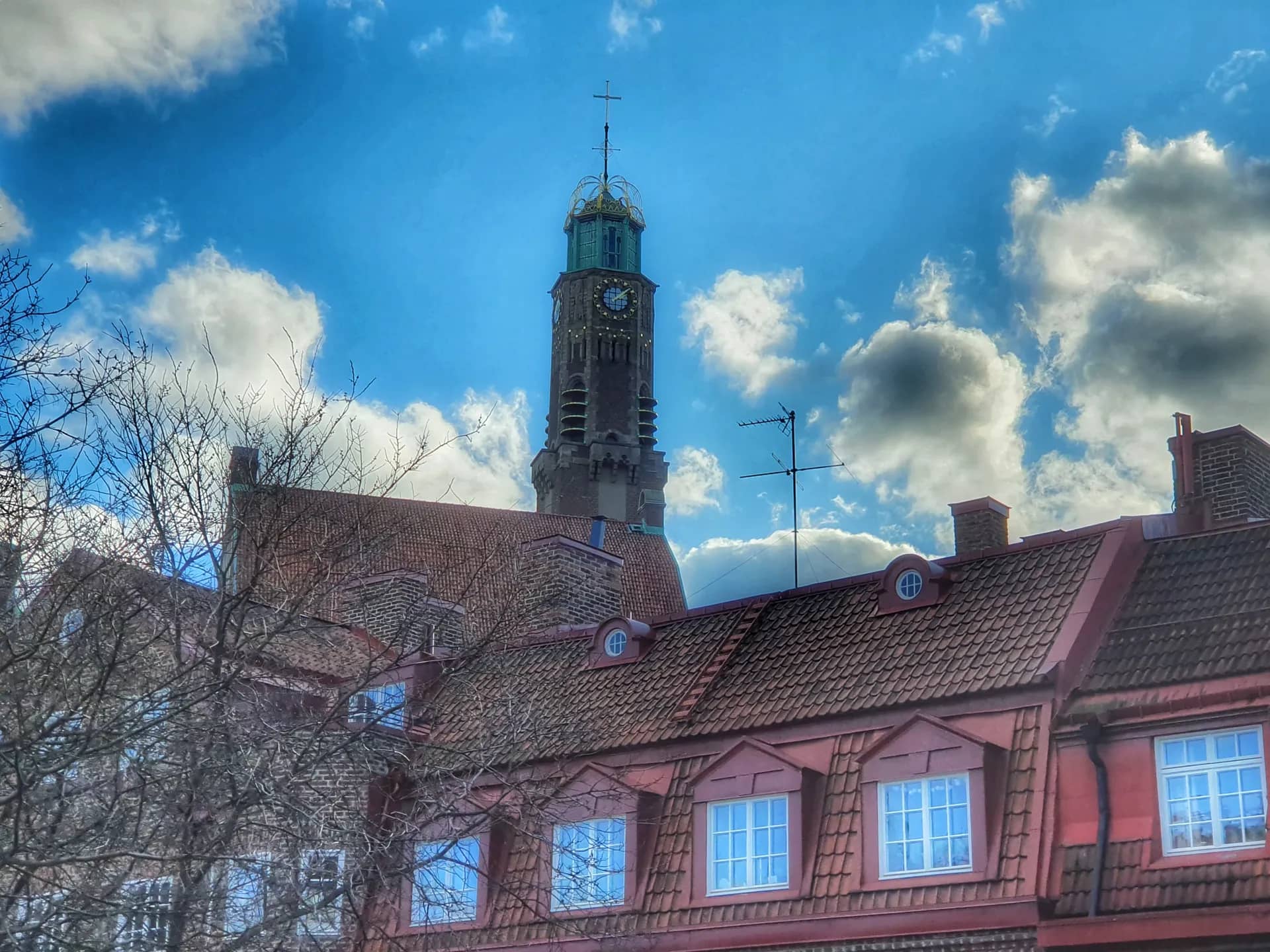
A city built of ideas, ambitions, and dreams
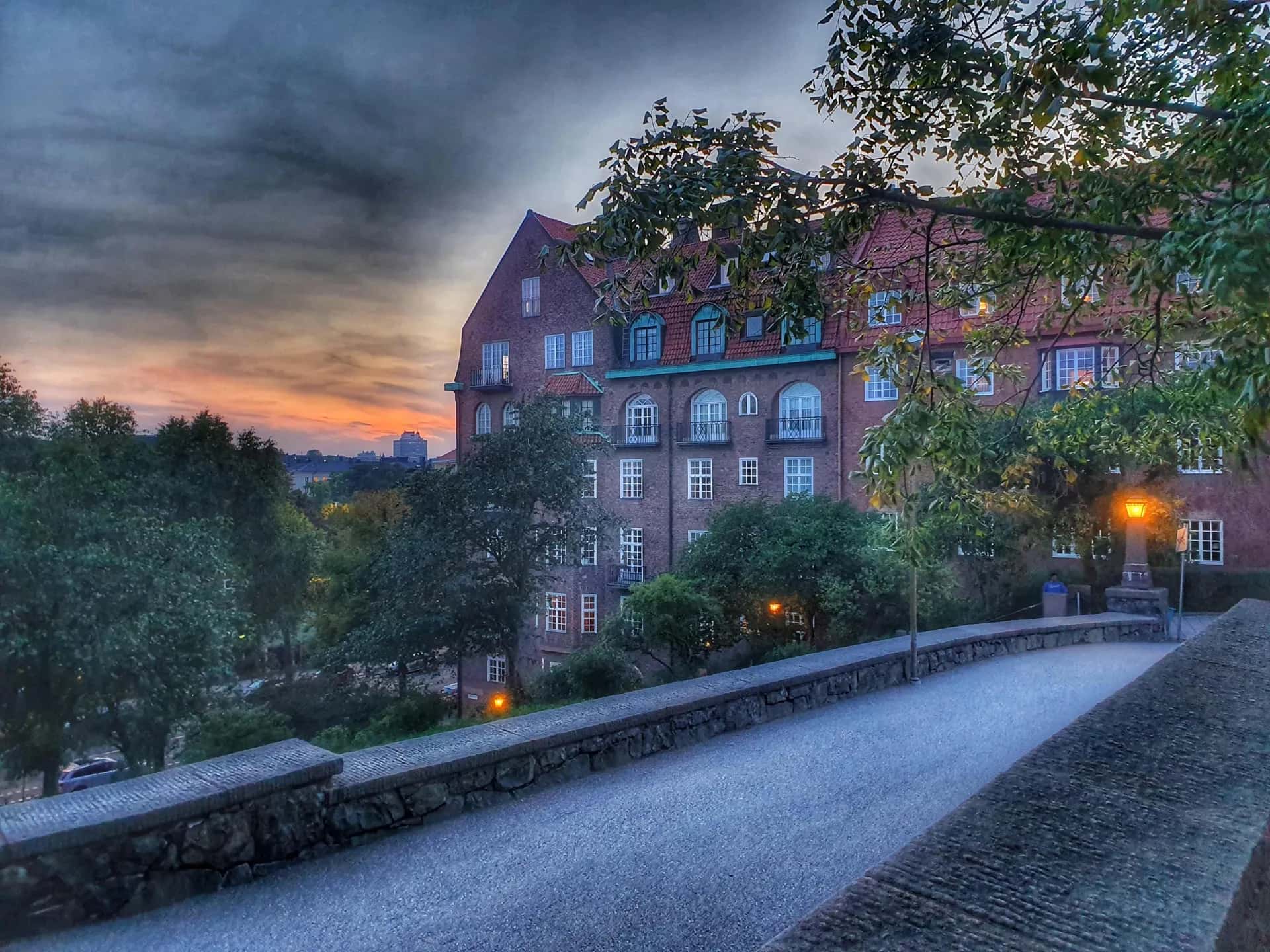
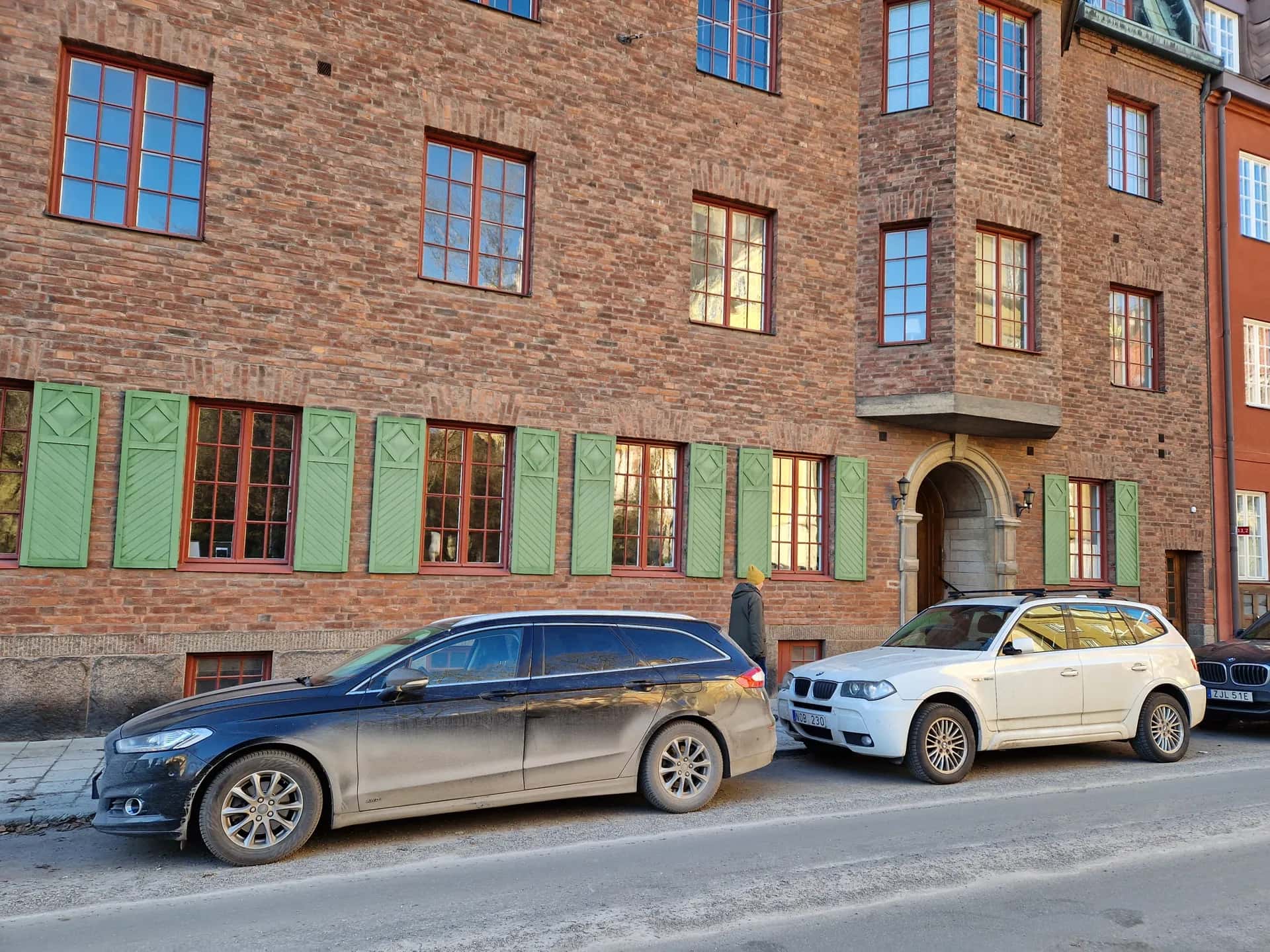
🏘 Lärkstaden – architecture and environment
Here you will find:
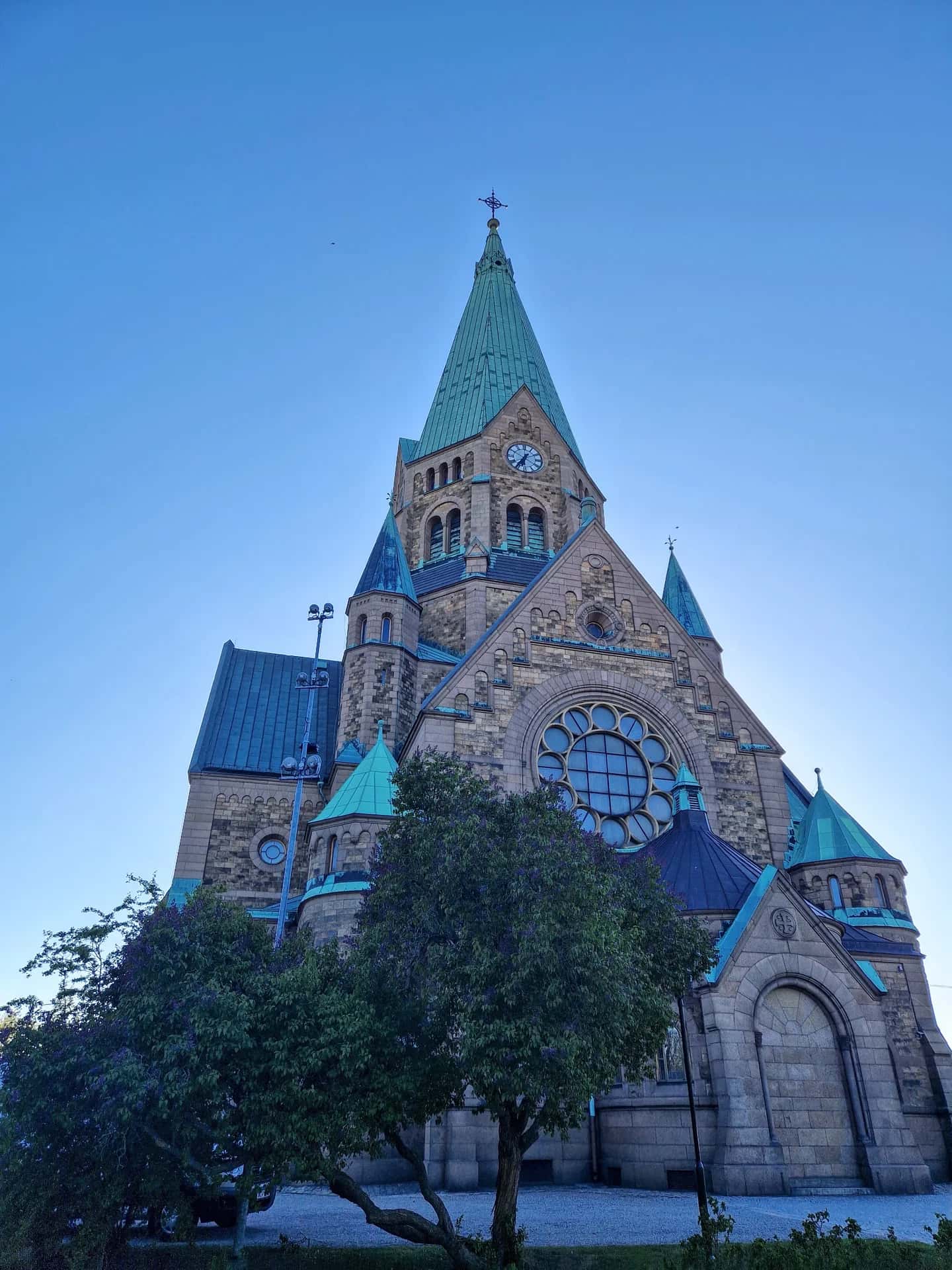
national romanticism
neoclassicism
individual details in each facade
Semicircular bay windows.
Copper roofs.
Portals with personality.
Architects like Erik Lallerstedt put their mark on the area - with houses that were both homes and status markers.
The home as a world in itself
The houses in Lärkstaden were not only beautiful - they were functional machines for a life in hierarchy.
A typical floor plan:
Basement: boiler room, firewood, food cellar, laundry room
Ground floor: kitchen, maid's room, dining room
Floor 1: living room, master's and mistress's room
Floor 2: nursery and bedroom
Attic: storage and simpler rooms
A whole life - organized in floors.
When idea meets reality
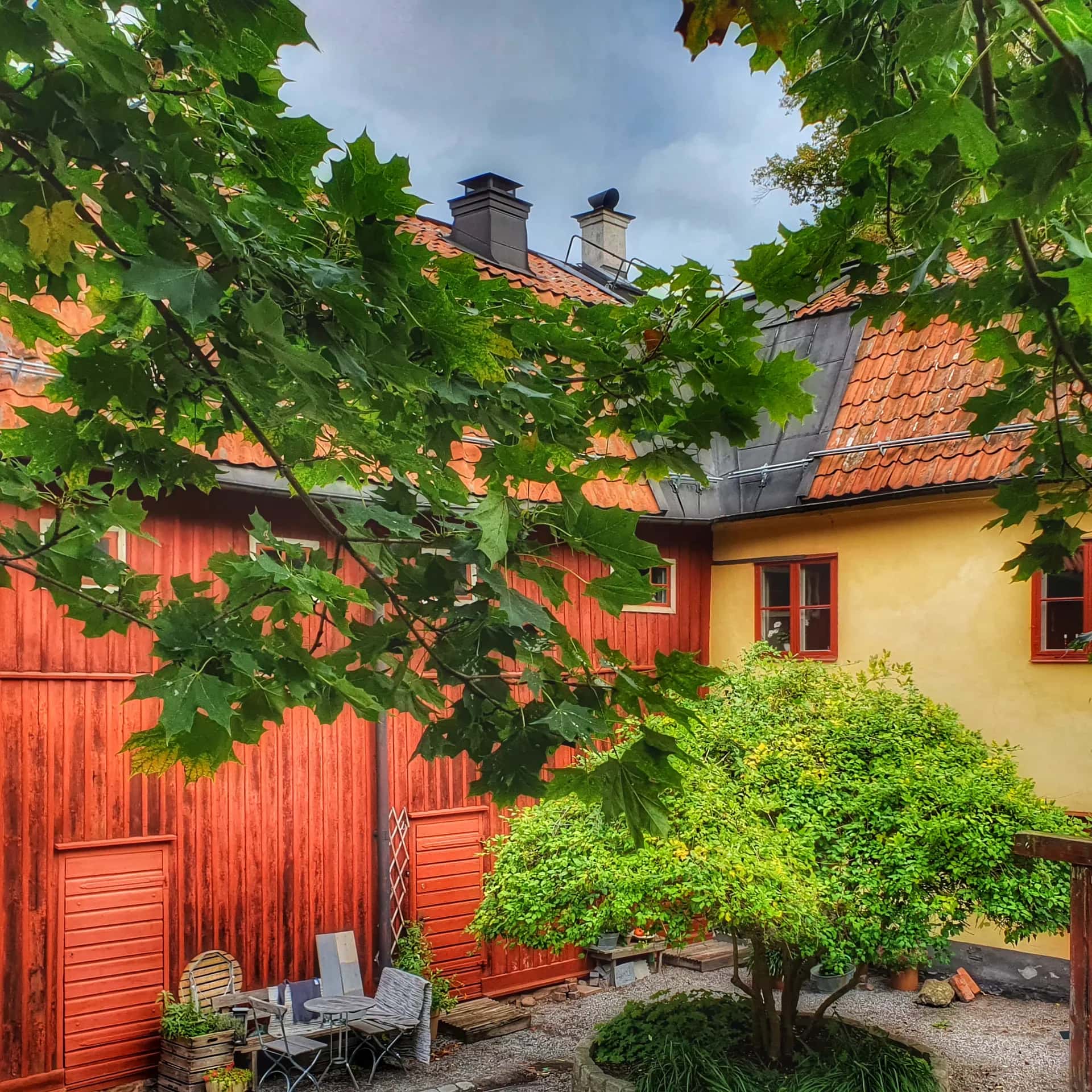
The idea was that small gardens would connect the blocks.
Greenery between the houses.
Open lines of sight.
But reality turned out differently.
High walls were erected.
Private life took over.
The open idea - became a closed world.
Streets with stories
Bragevägen – destinies and history
Several famous Swedes have lived on Bragevägen, such as
Raoul Wallenberg and Astrid Lindgren.
But there are also other stories here.
Like the one about Anders Andersson.
From poor boy to cinema king
He was born in 1885 into a farming family without electricity.
As a 16-year-old, he opened a shop in Stockholm.
The name? It came from a bottle of port wine: Sandrew.
Through hard work, he built an empire:
25 cinemas
restaurants
a vision of the future of film
He traveled through Europe - not for pleasure, but to understand the audience.
When he died in 1957, the funeral was held in Engelbrektskyrkan.
His legacy lives on today.
Verdandigatan – ideas in street names
On Verdandigatan, Nordic mythology and politics meet.
The names in the area reflect a time when identity, history and national culture were central issues.
An area without shops
One thing that surprises many:
There are almost no shops here.
No cafes.
Lärkstaden was built as a private world.
A place for life - not for trade.