Authorized Stockholm Guide

When electricity came to Stockholm – the revolution of light in everyday life

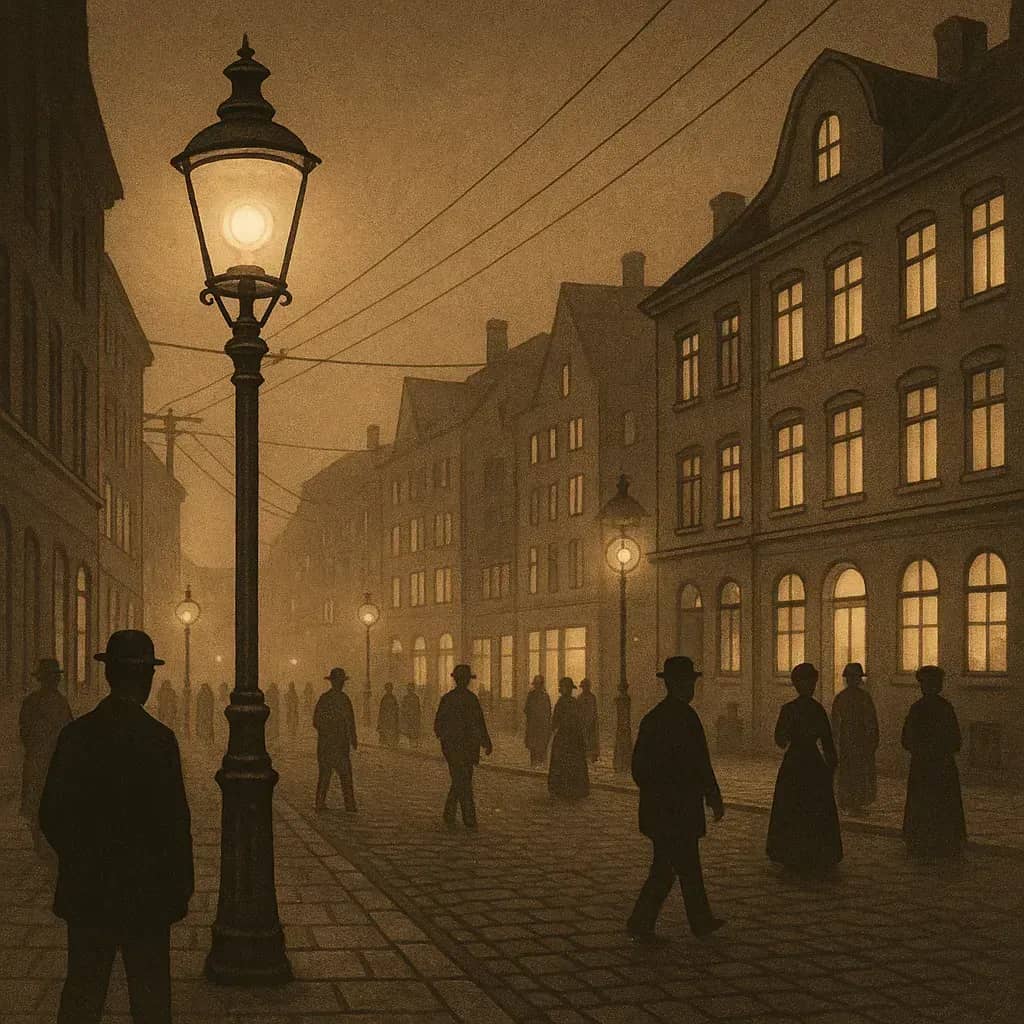
Street at dusk with silhouettes of people and lit streetlights. Buildings in the background

It's hard to imagine today – but just over a hundred years ago, Stockholm was a city that entered twilight after dark. The streets were lit by kerosene lamps and gaslights, and in homes people struggled with flickering flames and sooty lamp glasses.

Then came electricity – and with it a new way of life.

💡 The first sparks

Stockholm got its first electric lighting as early as the 1880s. At Brunkebergsverket, the city's first power plant, electricity production began in 1892. It was located on Tulegatan – in the middle of what was then called the cradle of "the electric miracle."

Initially, it was not ordinary households that benefited from the new technology, but the city's theaters, banks, department stores and factories. Lighting an electric light bulb was something exclusive – a symbol of optimism and modernity.
🕰️ Electricity on demand

🏠 From theater to kitchen

🌆 A new rhythm of light

The arrival of electricity changed not only how we saw, but how we lived.
Night turned to dusk, dusk to activity. Shops started having late hours, cinemas opened their doors, and Stockholm began to shine – literally.

In the 1920s, electricity was a given in urban life, but in the countryside it would take several more decades. There, the kerosene lamp lived on well into the 1950s.

⚙️ The cultural heritage of light

Dela inlägg