Tantolunden – park, pearl and place for all stages of life
Join us in Tantolunden, Södermalm's green lung, and discover the park's exciting history and all the layers of human experiences.
It's easy to take Tantolunden for granted. On a typical day, you'll see children on adventures, pensioners with thermoses, joggers with headphones, and neat rows of planting boxes. But stop for a moment. Listen to the story whispering in the treetops.
This was once a landfill. It was covered with soil and ideas – and became a park. City gardener Alfred Medin drew with romance in his brush: winding paths, viewpoints, lush greenery. The first trees were planted in 1896, and three years later Tantolunden was inaugurated – perhaps Södermalm's greenest lung.
But the place has more layers than that.
🧂 Sugar dreams and banana houses
In the 18th century, sugar smoked from the chimneys down by the water. Christer Robsahm ran the sugar factory in Tanto, where many of Söder's workers toiled in the heat. When the factory closed in the 1950s, five arched residential buildings rose from the ashes – popularly called "Banana Houses".
🎭 Open-air theater and cultivation struggle
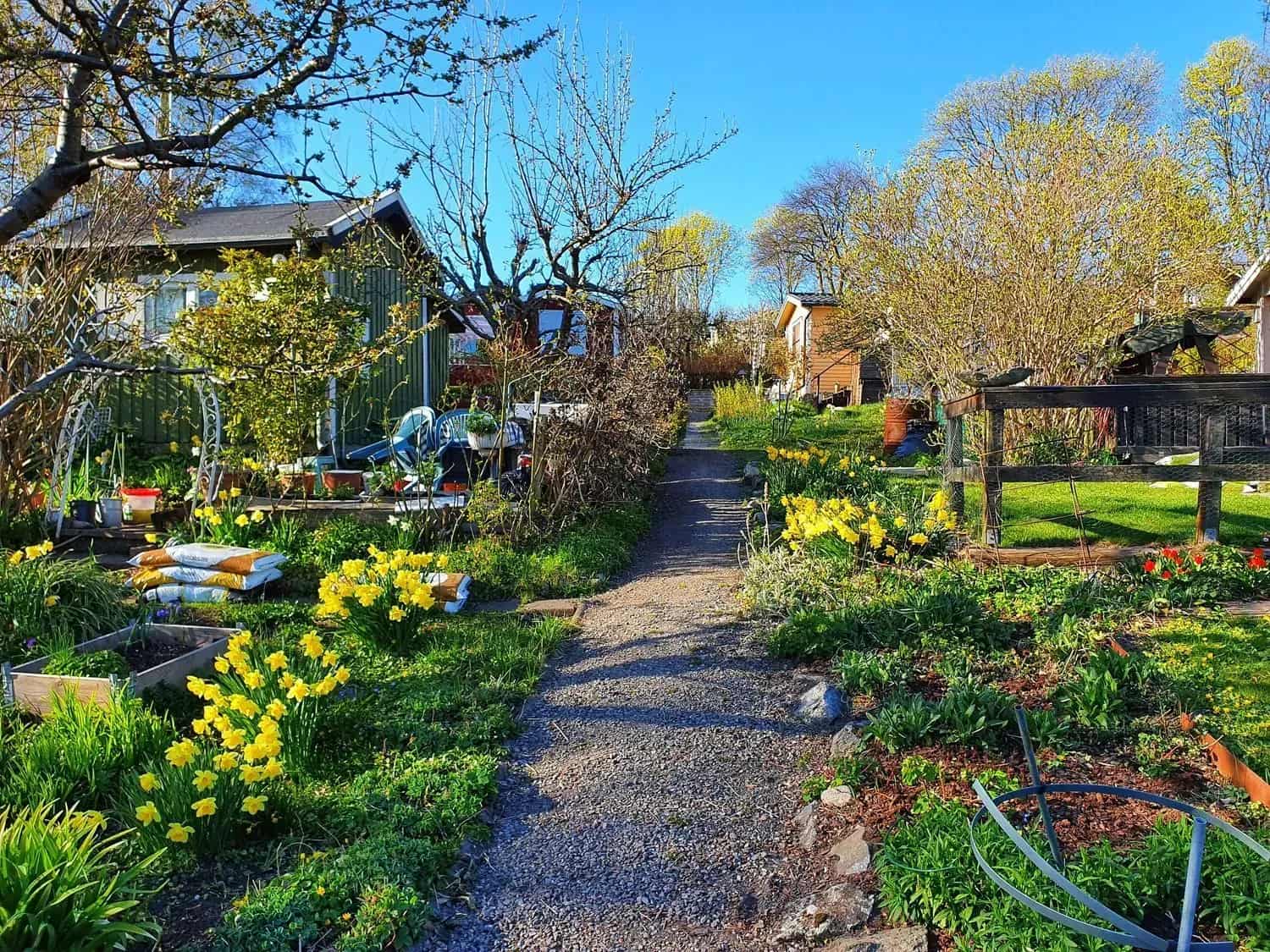
On the slope towards Årstaviken was a theater with room for 1,400 people. Here, people laughed at Söderkåkar under the open sky. At the same time, people grew potatoes in allotment gardens during the First World War. The ground was steep, the sun scorching – but the will to make something grow was strong. Even today, the allotment cottages bloom on the southern slope.
🎯 Anti-aircraft defense and everyday life during war
At the park's highest point stood an anti-aircraft facility during World War II – ready to defend the Årsta Bridge. Today there is stillness, picnic blankets and four-leaf clovers. But the bunkers remain – as silent witnesses from another time.
📚 Katitzi and the fight for human dignity
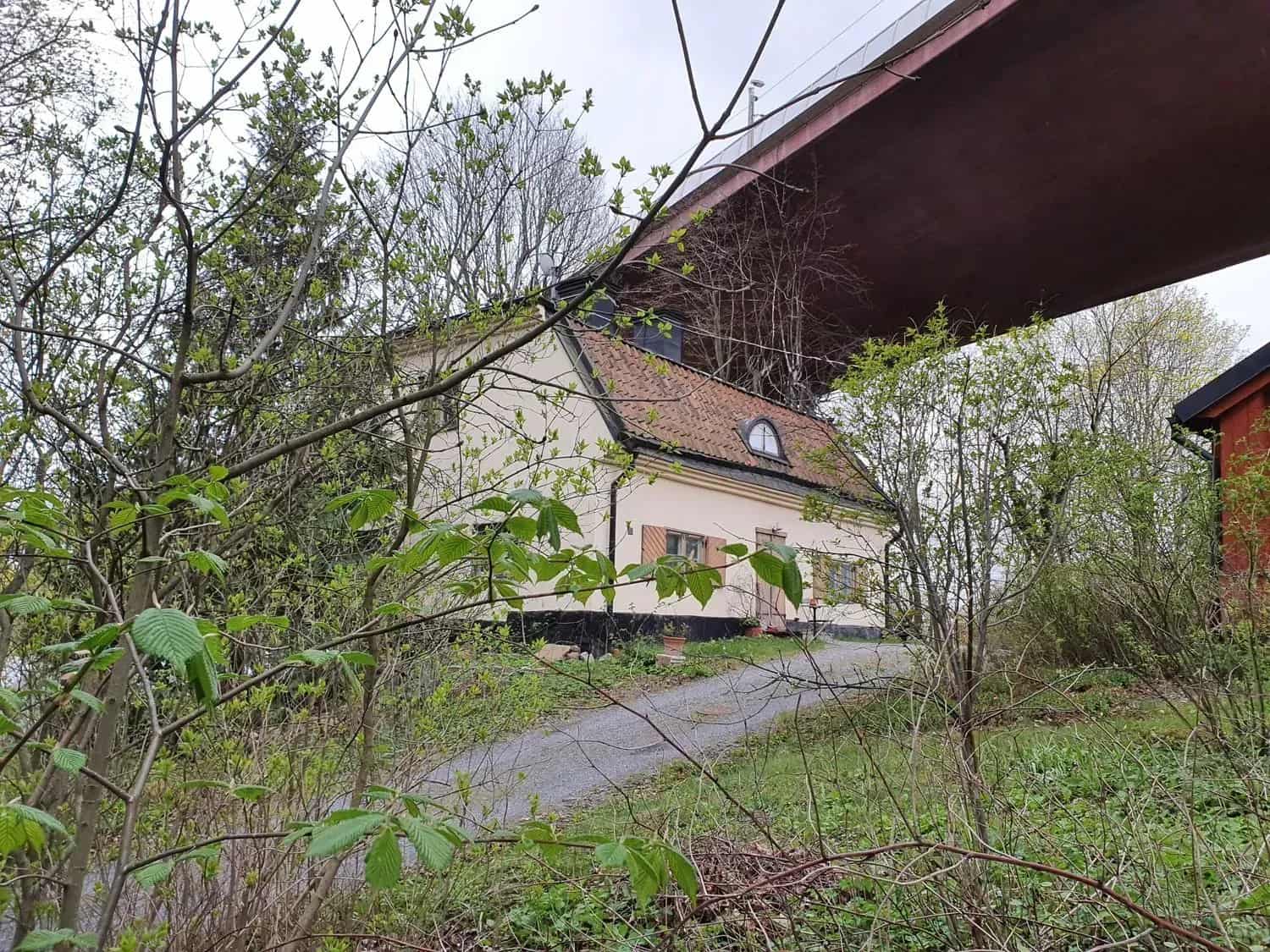
Under the Årsta Bridge was a house where Katarina Taikon lived as a child. Her stories about Katitzi reflect a Sweden that liked to see itself as equal, but often failed its most vulnerable. The walkway named after her reminds us: history is not just kings and wars – it is also children in a cramped apartment with dreams of justice.
Tantolunden is not just a green area. It is an archive of human experiences – from sugar-sweet industry to allotment gardens, from anti-aircraft bunkers to theater laughter. Here, history and present meet, laughter and sorrow, gravel paths and greenery.
The next time you walk through the park – stop. Feel. Maybe you hear Hans Tanto shout from the 17th century, Katarina Taikon whisper from the 1940s, or a child from 1906 laugh in the first playground.
Tanto carries stories. Do you want to hear them?
🌿 Do you want to experience Tantolunden's history on site?
During the summer, I lead the city walk Green Rooms in Södermalm – a walk among allotment gardens, parks and stories that stick. We pass through Tanto, but also past many other green areas with exciting history. I'm not a botanist – but I love the stories about the people behind the green.
We talk, among other things, about Anna Lindhagen and Anna Åbergsson, two strong women who fought to give ordinary Stockholmers the opportunity to cultivate, breathe and dream – in the middle of the city. A struggle that still blooms in Södermalm's soil.
Welcome to join!
– The Green Guide 🌱