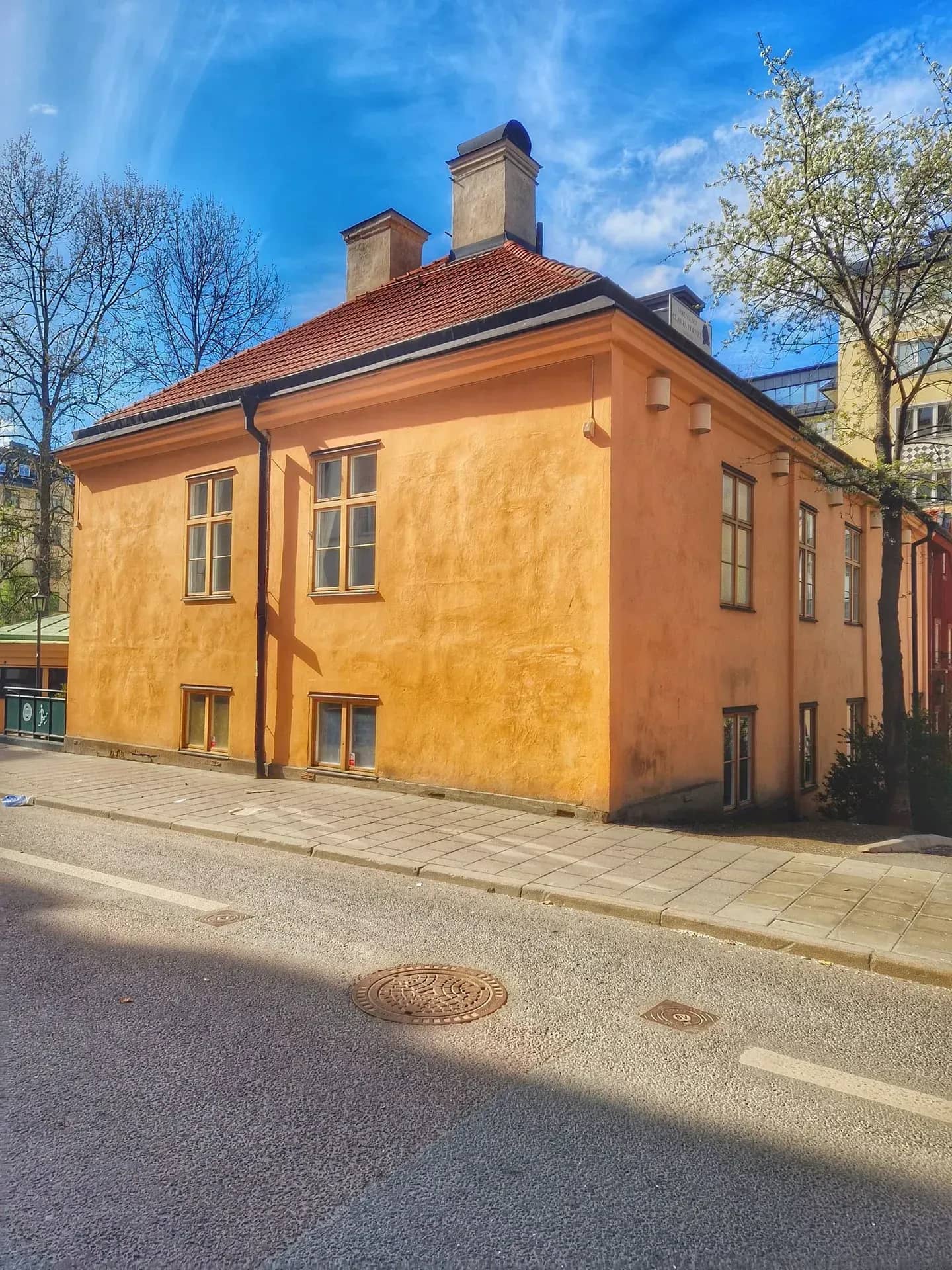
Siberia – a cold name for a hot neighborhood
Följ med till Sibirien i Stockholm! Vi utforskar ett kvarter fullt av liv, historia och kamp för bättre bostäder.
Hardly any other place in Stockholm bears such a frosty nickname as Siberia. But despite associations with ice, cold and wasteland, here beats a neighborhood full of life, stories – and a struggle for better housing.
From well drinkers to housing activists
The Siberia area, located in the borderland between Norrmalm and Vasastan, was known in the 17th century for its health spring – Surbrunnen. The ferrous spring was said to help against both stomach ailments and "women's diseases", and attracted both locals and nobility to come and drink themselves healthy. Neighborhood names such as Surbrunnsgatan still remind us of the old well today.
But when the well dried up and industrialization took off, Siberia became something completely different: a place for workers, maids and overcrowding.
Why "Siberia" in particular?
The name originated in the latter part of the 19th century, when the area north of Odengatan was sparsely populated and lacked modern standards. People began to call it "Siberia" – not only because of the cold in winter, but because it was far from the city center, like a kind of urban exile area.
New neighborhoods were quickly built here – often without proper infrastructure. It was noisy, poor and lively. But also the beginning of something new.
Class struggle, collectives and cultural pubs
In the 20th century, Siberia became a center for both housing struggles and culture. Several of the houses here are the result of cooperative building and association life. It was here that Stockholms Arbetarebostadsförening realized the dream of healthy and affordable homes for working families.
Today, blocks like Tulegatan, Claes på Hörnet and Roslagsgatan are filled with cafes, shops, galleries and restaurants with narrow music or wide wine lists. History whispers from the walls, but the pulse is modern.
A neighborhood in constant change
Siberia is still not like other neighborhoods in the inner city. It is a little rougher, a little greener, a little freer. Cultural workers, officials and students live here side by side. Bellman, punks and housing activists have all left their mark here.
And that is perhaps precisely why so many love it.
Tips from the Green Guide 🌿
🔍 Want to discover the neighborhood with new eyes? Join my city walk through Siberia – from well water to housing struggles. We visit places where history lives on and where every street corner carries a story.
💡 Don't miss Claes på Hörnet – once an inn, military hospital and cholera hospital – today a restaurant where you can feel the wings of history at dinner.
📍Starting point: Surbrunnsgatan 6–8 / Monika Zetterlund Park
⏳ Time: Approx. 90 minutes
🍂 Book your place directly at www.dengronaguiden.se