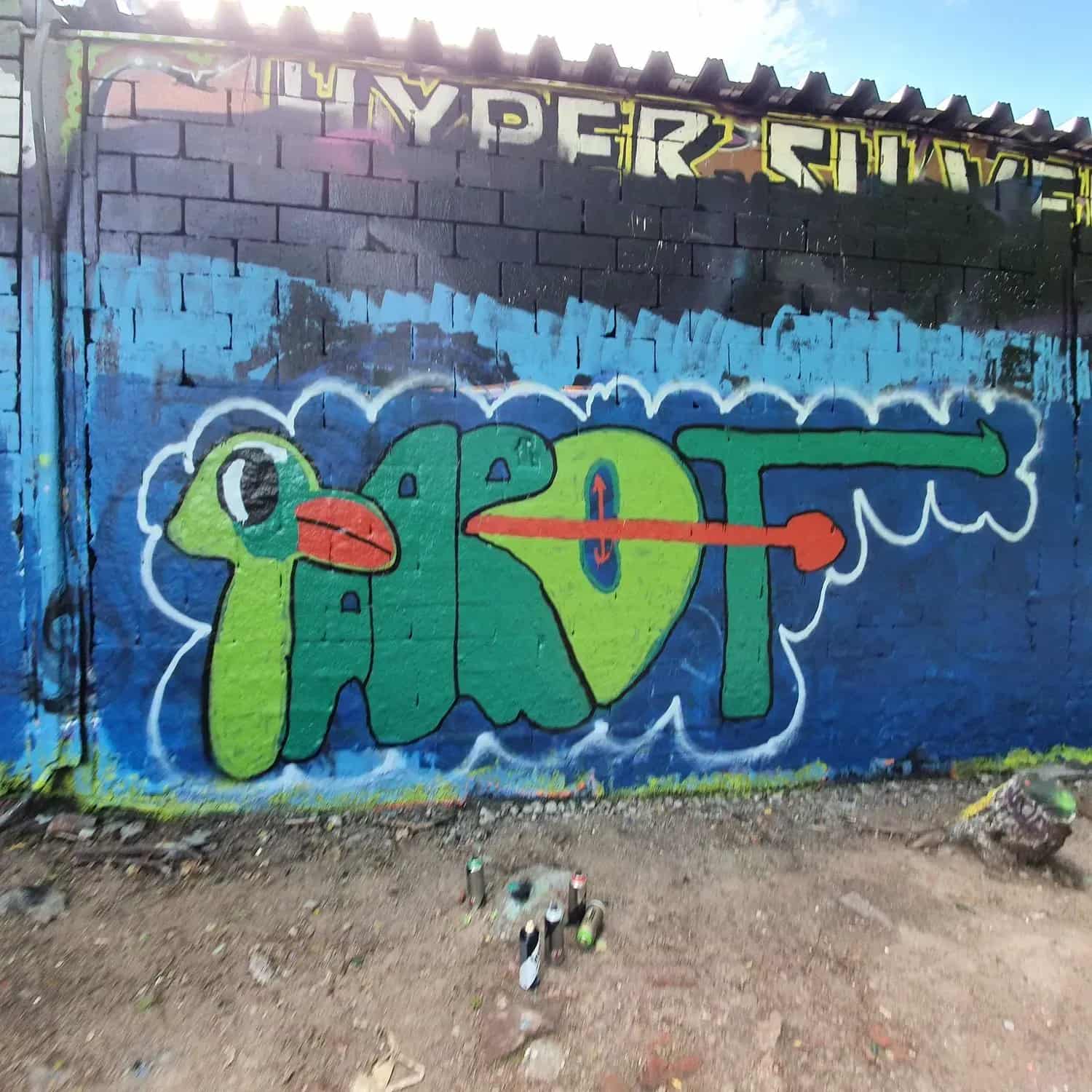
Snösätra - the color palette of art
Discover Snösätra, the art color palette! Join us on a tour of this unique area, where graffiti refuses to back down.
Snösätra in winter – color, frost and freedom
The mercury stopped at minus nine.
Felt like fourteen.
The shoes crunched against frozen asphalt, the breaths turned to smoke.

There are places that change completely with the season.
Snösätra is such a place.
In the summer it is a myriad of color, sound and movement.
In winter, everything becomes clearer.
The lines. The messages. The courage in every stroke.
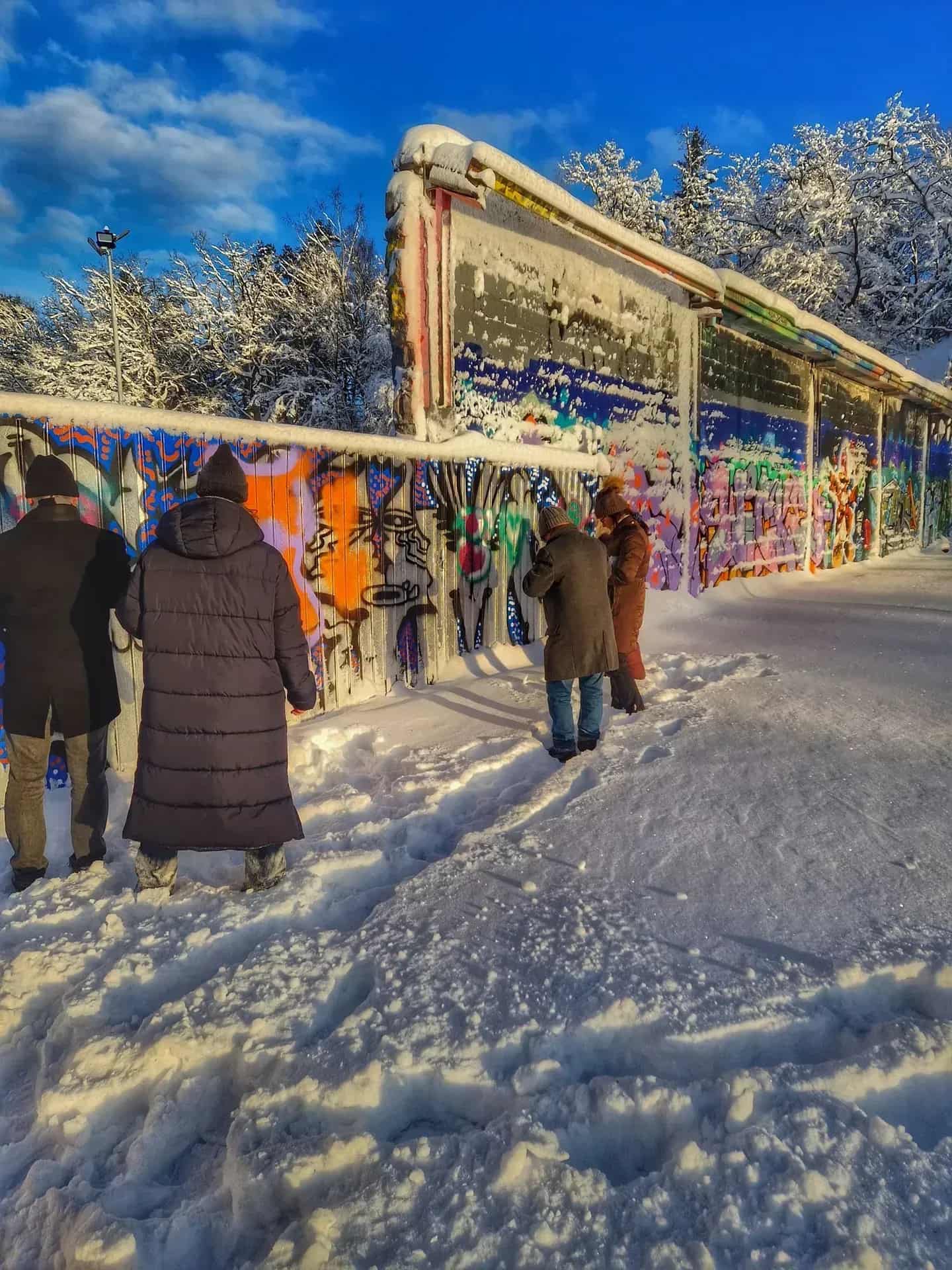
We took a short tour – not to "see everything", but to feel. Walls that defy the cold. Color that refuses to retreat. And then workshop:
Everyone can create graffiti in style.
Cold fingers.
Warm head.
Art does the job.
Högdalen – planned future, lived reality
Högdalen is a classic ABC city:
Work. Housing. Center.
Planned in the early 1950s, with a subway already in 1954. A modern idea of the good life – light, air and community. The architect Sven Markelius spoke of a balance between density and openness. Here people would live close to each other, but not on top of each other.
Today, several layers are visible at the same time:
The optimism of the 1950s.
The strains of the 1970s.
Our time's questions about expression, place and belonging.
It is no coincidence that subcultures arise right here.
Högdalen of subcultures
The skate park.
Högdalstoppen – once a ski slope and toboggan run, where Stenmark competed.
Rågsved's outdoor recreation area.
And then Cyklopen.
Not an ordinary cultural center.
But an answer.
Built by will, burned down – rebuilt.
Cyklopen reminds us that culture does not always fit.
Sometimes it has to take place.
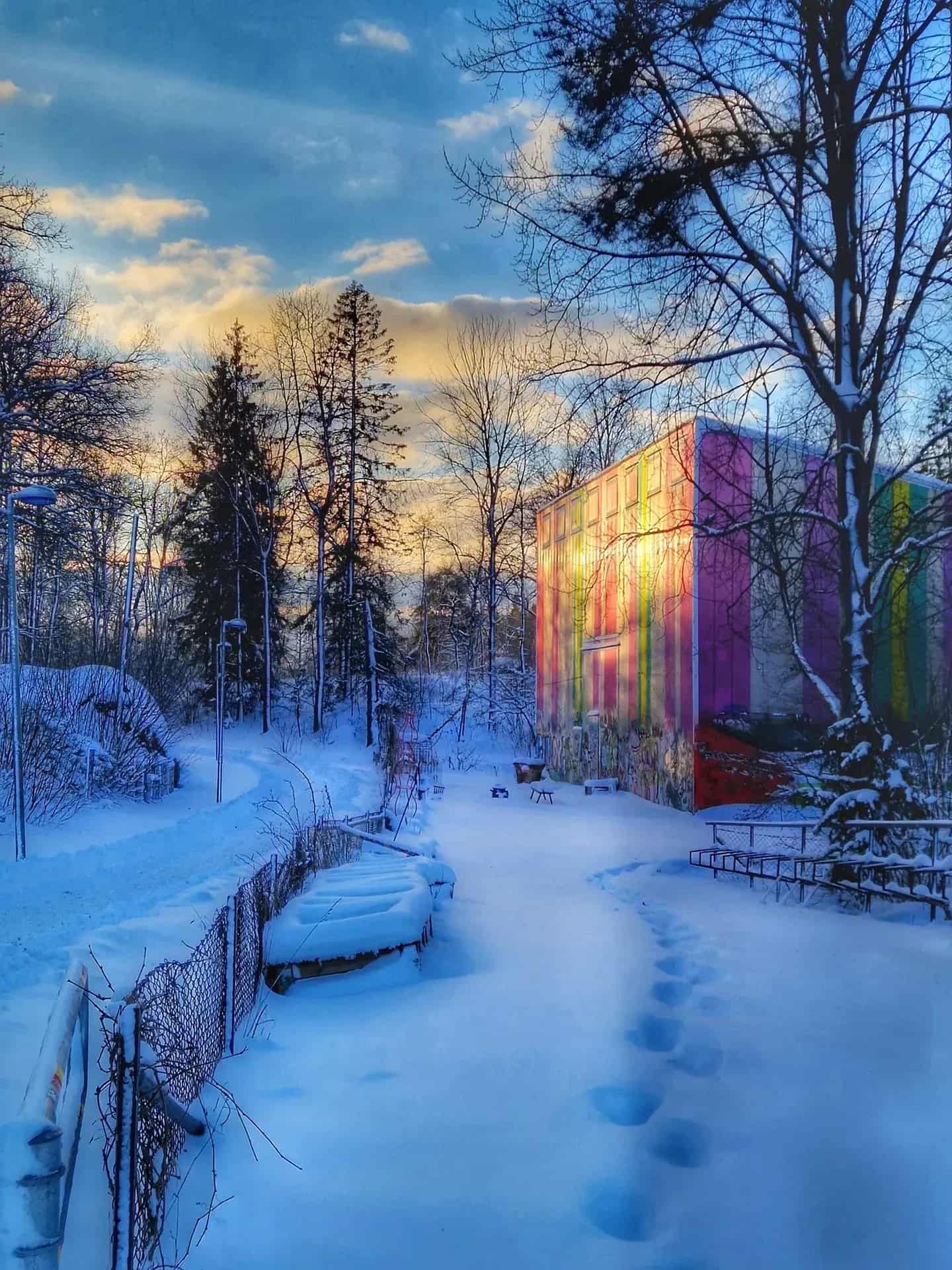
Snösätra – a gallery without a roof
Since 2014, Snösätra has been one of Europe's largest areas for legal graffiti.
An industrial area that was actually intended to be decommissioned – environmental problems, no sewers, temporary solutions.
But something else arose here.
An open gallery.
A conversation on walls.
A place where the question is not if you are allowed to express yourself – but how.
Who really owns the public space?
And what happens when expressions are allowed to exist without being immediately washed away?
From tag to story
Graffiti often starts with a name.
I was here.
But quickly grows into something bigger:
images, characters, social commentary, poetry, anger, humor, sorrow.
In Snösätra you meet all this – sometimes on the same wall.
Here are pioneers and new voices.
Here realism mingles with playfulness, political messages with pure color joy.
And the nice thing is: nothing is finished. Everything is in motion.
An uncertain future – and a living present
There are plans for remediation and housing.
At the same time, the area attracts thousands of visitors every year, not least through the Spring Beast festival.
It is a classic urban issue:
Preserve or build?
Protect or change?
Perhaps Snösätra's greatest value is precisely this:
that the place forces us to talk about what art, city and community are.
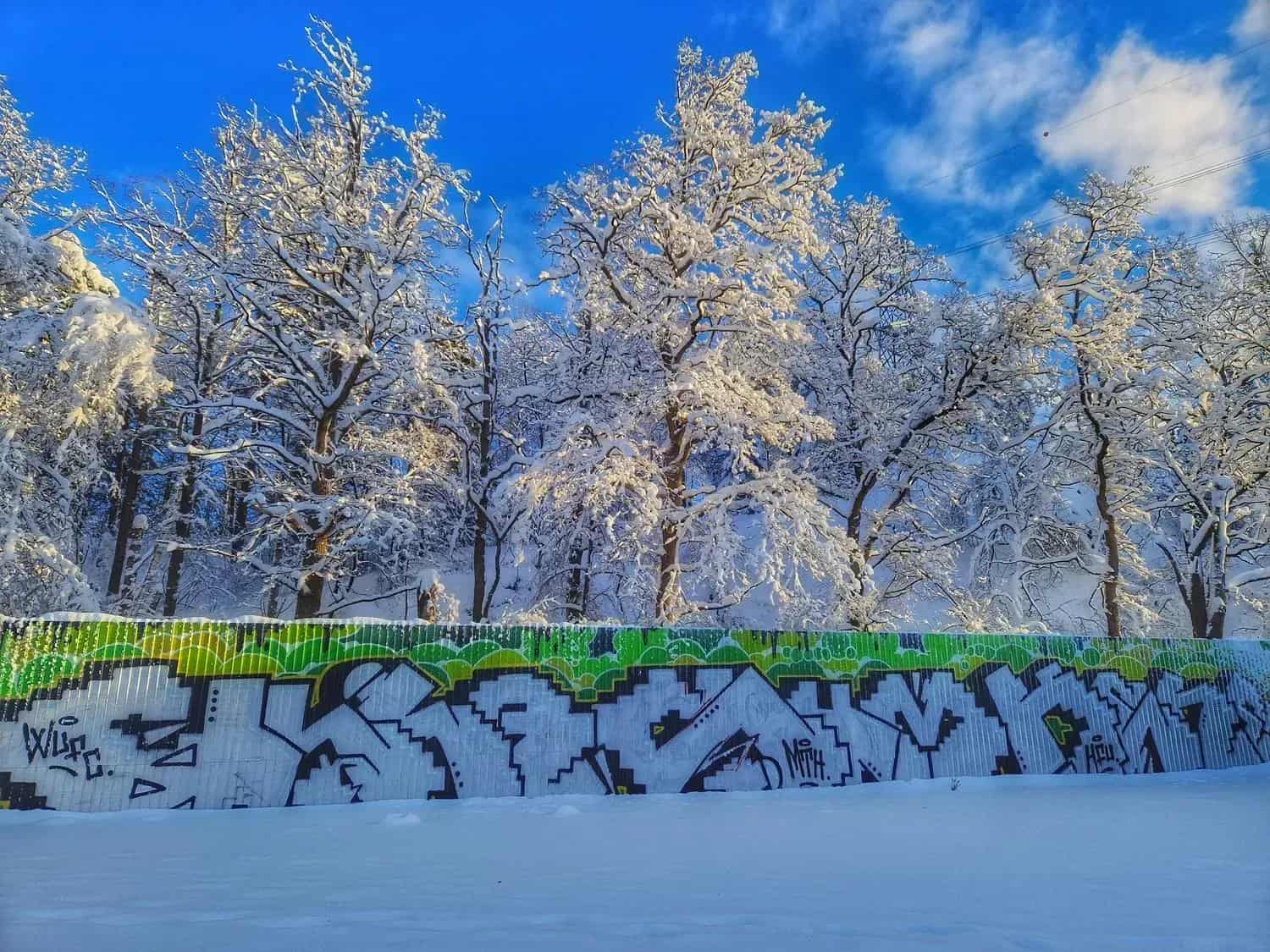
Leaving Snösätra
When we left, the cold had taken hold in our cheeks.
But the head was full of color.
Snösätra is not just graffiti.
It is a conversation about the right to be seen.
About the courage to continue painting, even when it is below freezing.
Go here.
Go slowly.
Feel free to go several times.
And let the walls speak.