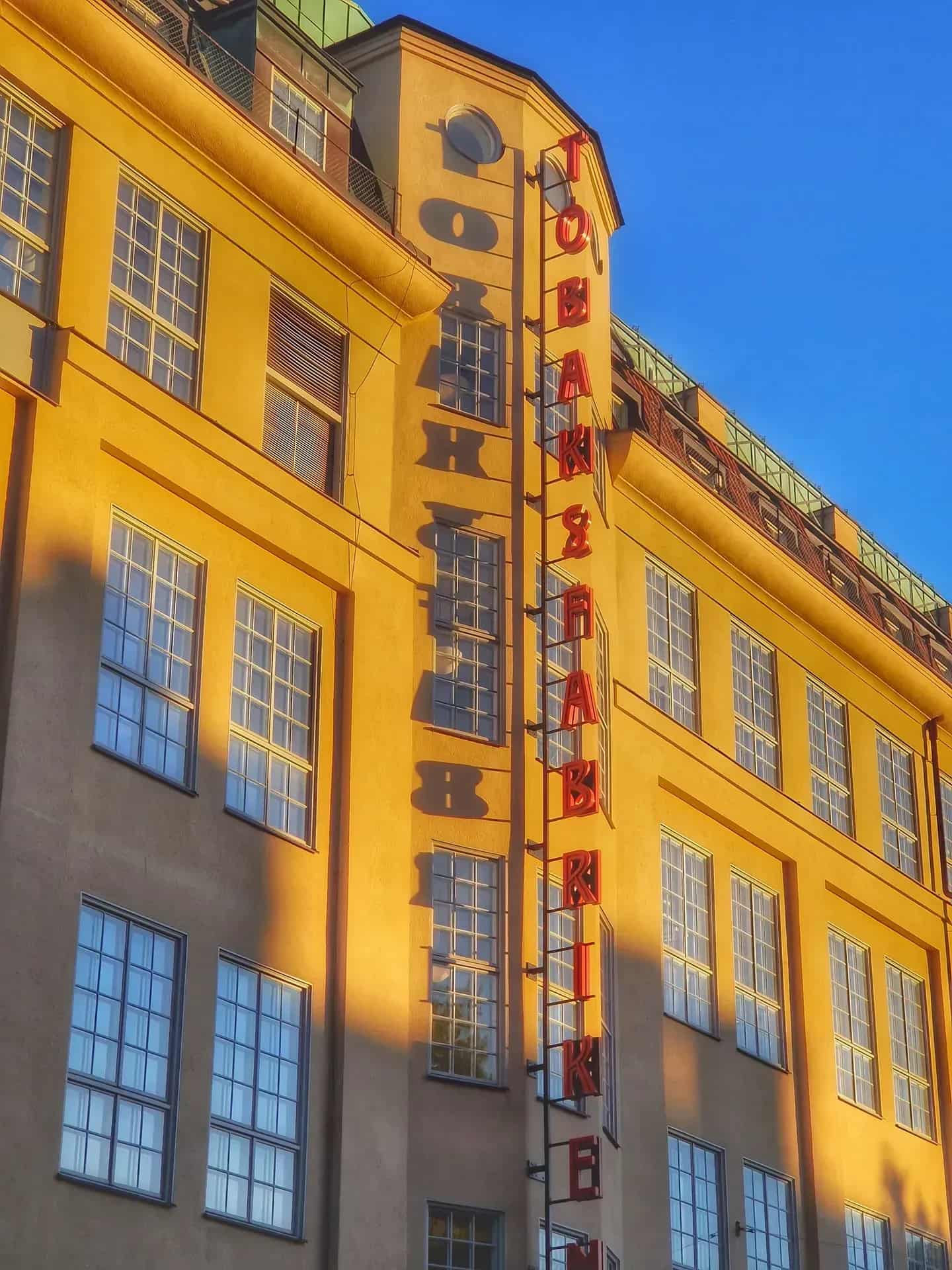
The time of tobacco in Stockholm – a piece of fragrant industrial history
Join us on a fragrant journey through time! We explore the history of tobacco in Stockholm, from the 17th century plantations to Söder's factories.
Today we may primarily associate tobacco with smoking or snus – but in 18th and 19th century Stockholm, tobacco was primarily an occupation. A source of income. A craft. And in some neighborhoods, even – a scent that lay like a sweet, suffocating mist over the roofs.
🌱 When did we start growing tobacco in Sweden?
Already in the 17th century, tobacco cultivation began to occur on a small scale in Sweden. The Crown encouraged cultivation because it wanted to reduce imports of foreign goods. Around the 1720s, it really took off, and in Stockholm tobacco plants were planted in gardens and manor houses – from Södermalm to Kungsholmen.
The tobacco was sensitive. It required warmth, nourishment, protection against frost – and a lot of labor. But in a growing capital with poverty and child laborers, there were plenty of hands.
🧵 What was a tobacco mill or a tobacco spinning mill?
It was here that the green leaves were transformed into snus, chewing tobacco and rolling tobacco. The spinning mill got its name from the spinning moment in production – tobacco leaves were spun into "ropes" which were then cut into pieces or ground. The smell in these premises was pungent, stinging and heavy.
There were many such mills in Stockholm – one of the most famous was located at Rosenlund on Södermalm. Women and children worked there for low wages – sometimes only 6–8 öre per hour, and an adult could get 1 krona for a whole day's work.
👩🏭 Who worked in the tobacco industry?
Many women. Many children. It was one of the few factory industries where women were in clear majority. The working environment was tough – tobacco powder in eyes and airways, constant standing work, poor lighting. But it was also a way to get a penny for the household. A mother and her daughter could work side by side, sometimes in secret factories – especially if they rolled cigars at home.
🚭 When did we stop growing and manufacturing our own tobacco?
Tobacco cultivation in Sweden decreased after the turn of the century 1900. It became cheaper to import. But even into the 1930s you could see tobacco fields in Skarpnäck and Hägersten.
Last sign of life? During the emergency preparedness period in the 1940s, new attempts were made to grow Swedish tobacco – but it never became more than an emergency alternative.
✨ Traces of tobacco today?
Walking along the streets of Södermalm, you can sometimes see a name: “Tobaksspinnargatan” or an old gate with an inscription. Perhaps you feel a faint scent of something bitter and spicy – or it's just the city's history whispering about its past.