🔥 Walpurgis – between darkness and light
Explore Walpurgis' roots, from ancient fires to today's celebrations. Learn about traditions and how they live on.
There are days that don't really belong to anything – and then there are days that tie everything together.
Walpurgis is such a day.
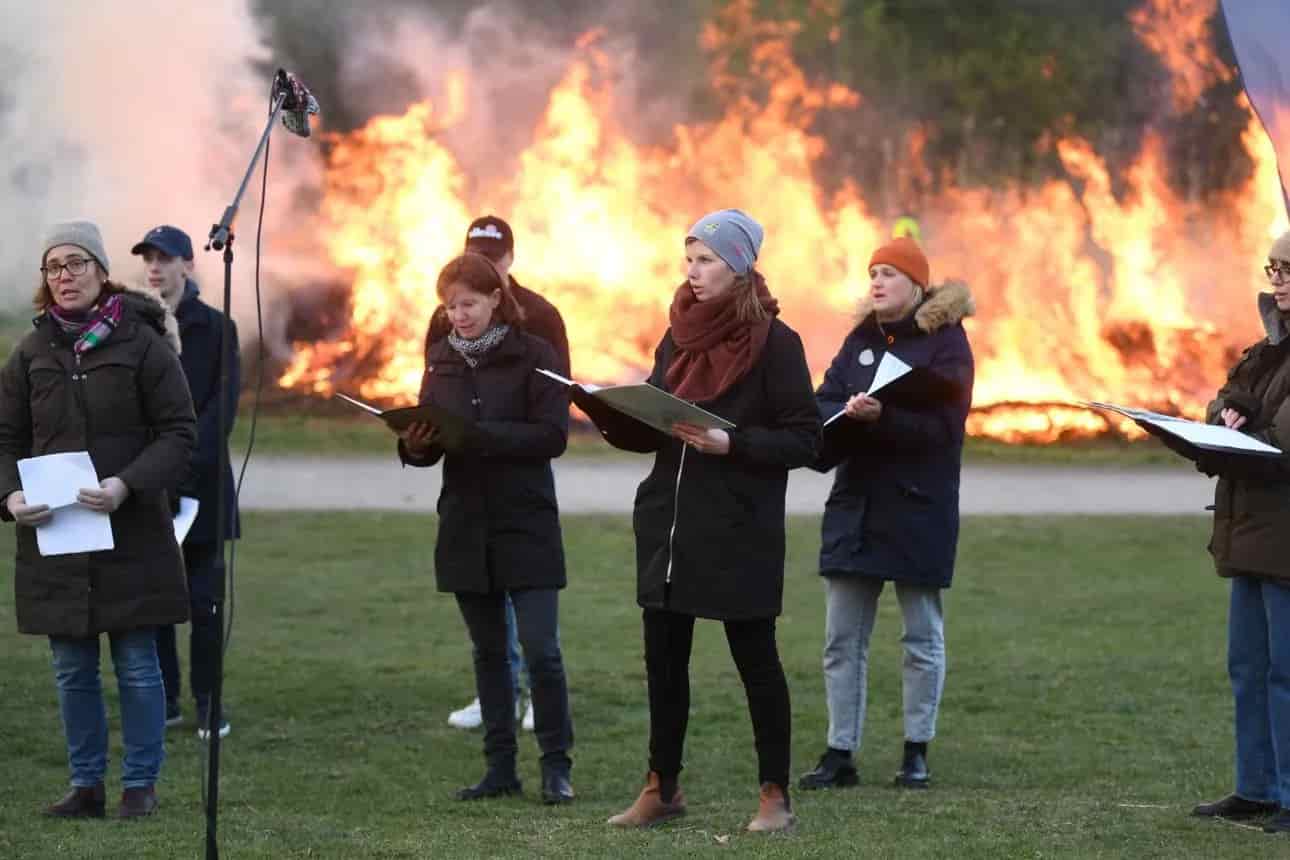
An evening when fires are lit, songs rise to the sky and we – a little tentatively, a little hopefully – turn to the light again.
But why do we do it?
🌱 From protection to celebration
Walpurgis Eve, April 30, has its roots far back in time.
Not in the city – but in the landscape.
When winter released its grip and the animals were to be released for grazing, it was necessary to protect what was fragile. The fires were lit to keep predators away, but also – it was believed – evil forces.
It was a night when the boundaries were thin.
Between winter and spring. Between security and uncertainty.
The name Valborg comes from Saint Walpurga, an English saint from the 8th century. Her day fell right here – in the shift between April and May – and over time the church's calendar was woven together with older, Nordic spring traditions.
🏙 Stockholm – from the outskirts to the city
In Stockholm, Walpurgis began for a long time as something that lived on the outskirts of the city.
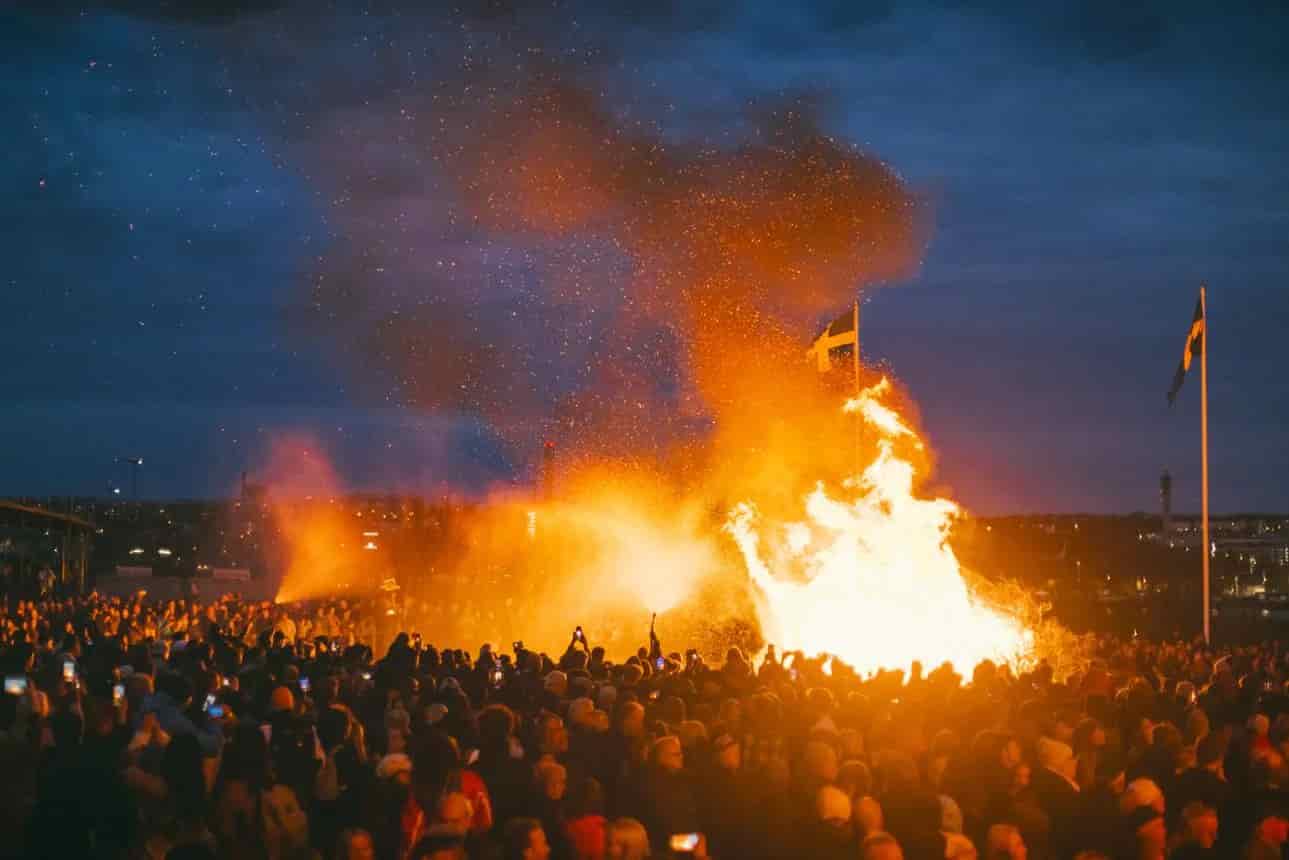
On the heights. In the meadows. Where there was room for fire.
During the 18th and 19th centuries, bonfires could be seen lit around the ridges – often spontaneously, sometimes messy. Fire, song and spring feelings did not always go hand in hand with order.
Over time, the celebration changed.
As the city grew and the rules became more numerous, Walpurgis was moved into more organised forms.
The song took place. The choirs. The common.
At Skansen, Walpurgis became something of a national scene during the 20th century – with spring speeches, choral singing and fires that gathered Stockholmers and visitors in a more peaceful, almost solemn form.
🎓 The students' spring
At the same time, another tradition grew – not least in Uppsala.
Here, Walpurgis became the students' holiday.
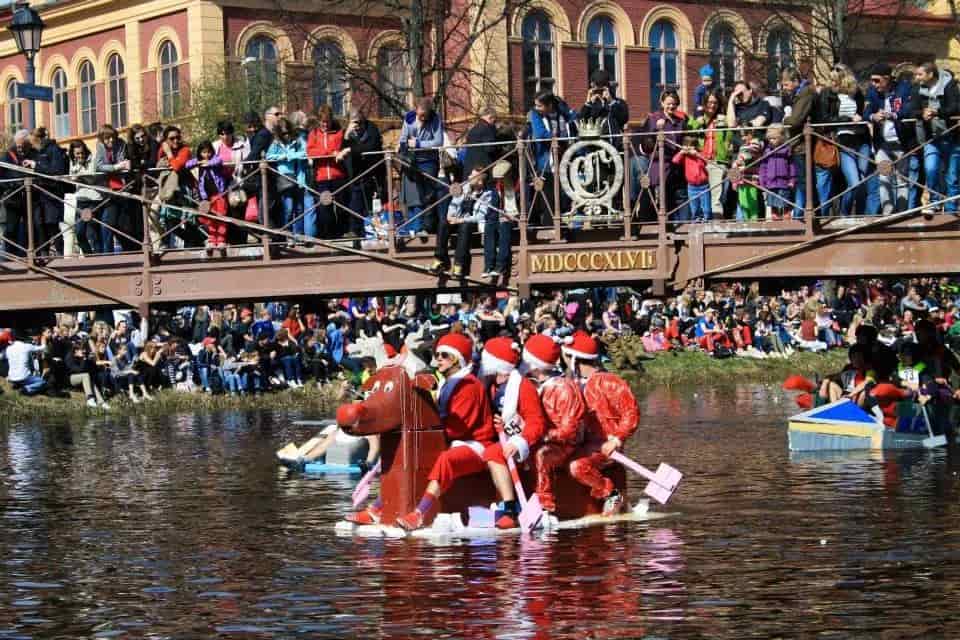
With rafting, cap placement and party.
It is a different tone – more laughter, more life – but it is based on the same thing:
a longing for light, movement, beginning.
🌿 Today – a legacy we carry on
Today we celebrate Walpurgis in many ways.
With children watching the fire.
With choirs singing in the spring.
With friends, with laughter, with maybe a blanket in the grass.
But somewhere the old remains.
In the fire that is still lit.
In the feeling that something is turning.
In that we, year after year, gather on this very evening.
Walpurgis is not just a tradition.
It is a way of saying: now it starts again.