Allotment gardens in Stockholm – green cultural history in Södermalm 🌱Did you know that there are over 10 00
Discover Stockholm's green heart! Join us among Söder's allotment gardens and learn about their exciting history.
Allotment gardens in Stockholm – green cultural history in Södermalm
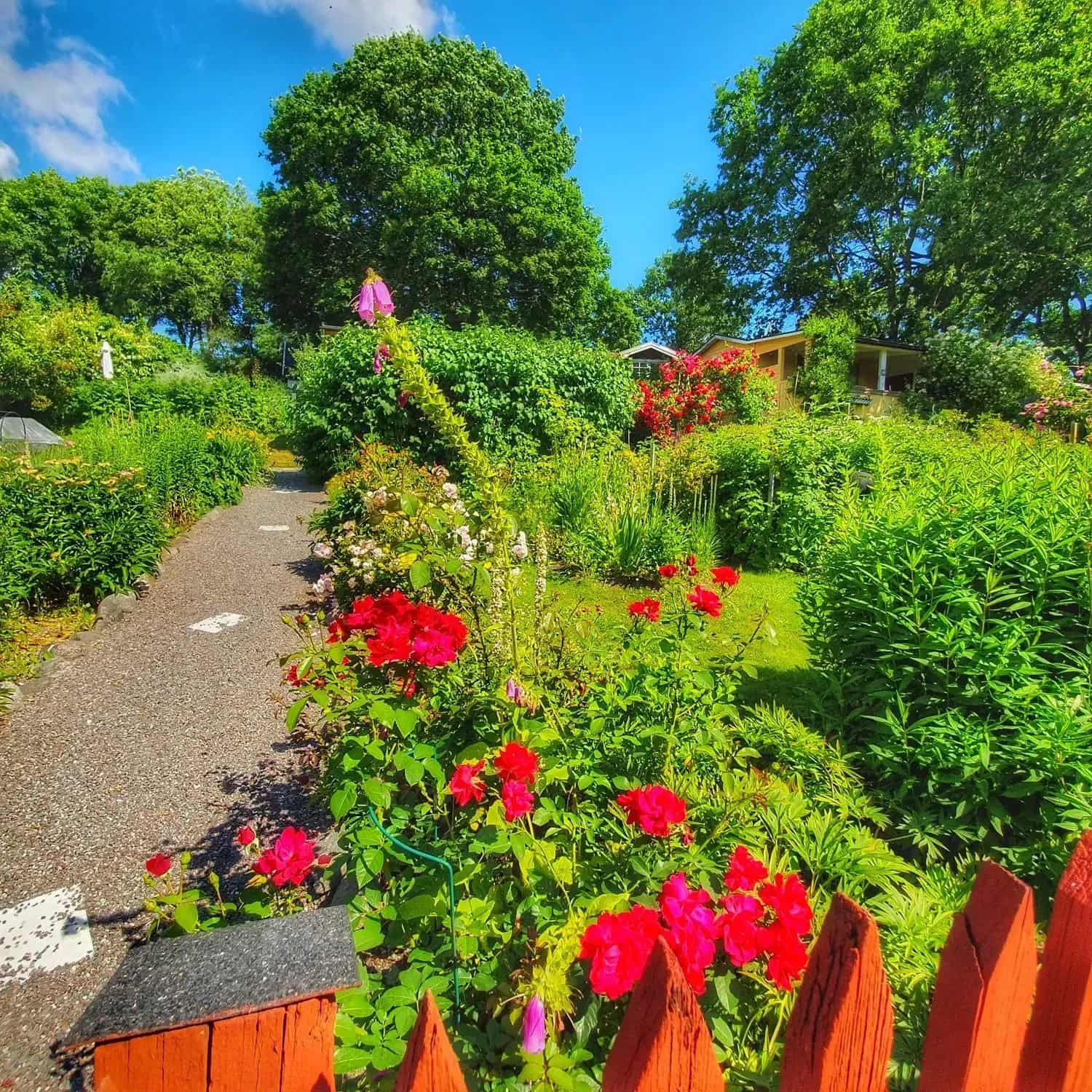
Did you know that there are over 10,000 allotment plots in Stockholm – and that some of the oldest are located in the middle of Södermalm? Join us on a city walk among allotment gardens, parks and people's destinies – from Zinkensdamm's colony area to Tantoberget – and hear about struggling women, secret tobacco farms, latrine barrels as fertilizer, and how gardens saved the health of the city's residents.
From landfill to green oasis
At the end of the 19th century, Tantolunden was a garbage-filled hill. But visionaries like Alfred Medin designed romantic promenade parks with winding paths, gazebos and flowering bushes. In winter, the slopes became ski slopes for the children. Here was also the open-air theater where Julia Caesar played "Söderkåkar" in front of thousands of spectators.
The allotment garden – a class issue with power
In the early 20th century, Stockholm was crowded and unhealthy. Tuberculosis claimed lives, and children played in yards without greenery. But in Germany an idea was born: small cultivation plots for working-class families. With the help of Anna Lindhagen, a stubborn social reformer from Östermalm, the colony movement spread to Stockholm. In 1906, the first area was established in Söder: Eriksdalslunden.
Anna Lindhagen fought not only for gardens, but also for women's suffrage, childcare and the protection of Stockholm's older buildings. Her book Koloniträdgårdar och planterade gårdar from 1905 is still a beautiful tribute to the great importance of the small plot:
"On weekday evenings and Sundays, the allotment garden becomes a dear refuge..."
Tobacco, potatoes and strong women
In the past, people not only grew carrots in Tanto – but also tobacco. During the 18th and 19th centuries, Södermalm was the center of the Swedish tobacco industry. Here, cigars were rolled by women in factories, and on the slopes grew leaves that were flavored with honey, wine and herbs. Smuggling, tobacco sauce and clay pipes were everyday life.
And then we meet Miss Arona, Europe's strongest woman, and her son Ramon, stuntman in Pippi Longstocking and cowboy at High Chaparral. Their colony cottage still stands today in Tanto Mindre.
A modern green struggle
The colonists have not only cultivated – they have also fought. In the 1970s, the city wanted to build on several of the areas. But with cunning, public opinion and love for the land, the growers managed to save their plots. Today there are over 150 colony areas in Stockholm – with new urban farmers, veterans with green fingers and a community that has survived both wars, housing crises and demolition waves.
Join a guided tour!
Now in May, I am starting my walks among allotment gardens in Stockholm again. We walk at a leisurely pace from Zinkensdamm's colony area to Tantoberget, and among other things via Tanto Norra, Molitor and Eriksdalslunden.
Book your place directly – limited number of participants!
You can find dates and times via the green guide's website or the link in bio if you follow me on social media.
🌿 Welcome to a city walk among Stockholm's green rooms – full of fragrance, history and vitality.
/Stefan – the green guide