Anna Lindhagen – a city's savior and suffrage woman
Get to know Anna Lindhagen, suffrage activist and city council member, who saved historical Stockholm from demolition frenzy.
You may have heard her name whispered between the lilac arbors in Tantolunden, or as we pass the old farms in Södermalm that were not demolished. Anna Lindhagen (1870–1941) was one of those stubborn, resourceful women who changed Stockholm – and refused to let the past be lost in the name of modernization.
She was a suffrage fighter, a city council member, and a pioneering social reformer. But she was also something more: a cultural savior.
💚 The guardian angel of allotment gardens
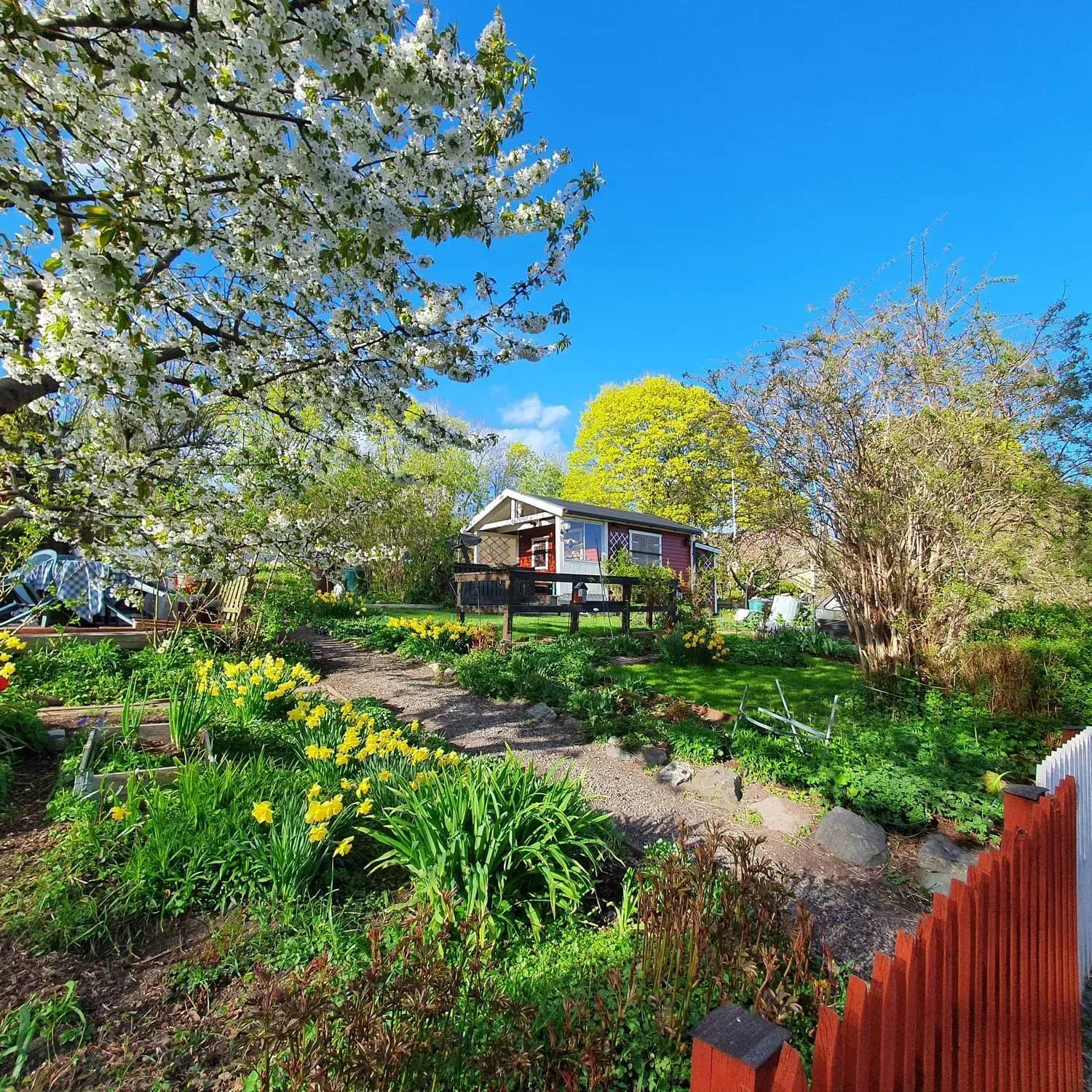
Together with Anna Åbergsson, she took the initiative to create Stockholm's first allotment gardens – as a social project to give poor families access to fresh air, cultivation and rest. She saw the garden as a cure for the city's overcrowding and misery.
🏘 Mot rivningsraseriet
När 1900-talets stadsplanerare ville jämna delar av Södermalm med marken, stod Anna Lindhagen upp som en röst för bevarande. Gamla byggnader med själ och historia var för henne något värdefullt, inte något att sopa bort. Det var hennes engagemang som gjorde att vi i dag fortfarande kan uppleva delar av det gamla Söder – och därför nämner vi henne ofta i samband med stadsvandringar i kvarter som Mariaberget och Fjällgatan.
👨👧 En familj av stadsbyggare, jurister och idealister
Anna var dotter till Albert Lindhagen, Stockholms kanske mest inflytelserika stadsplanerare. Han låg bakom 1866 års stora stadsplan – den så kallade Lindhagenplanen – som ritade om huvudstadens framtid med breda gator, rutnät, parker och bättre hygien.
Hennes bror Carl Lindhagen var en färgstark och stridbar politiker: borgmästare i Stockholm, riksdagsledamot, pacifist och jurist. Han var en av de första männen i riksdagen att motionera om kvinnlig rösträtt redan 1902 – långt innan frågan fick majoritetsstöd. Tillsammans med sin syster var han en viktig del av kampen för jämlikhet.
Carl Lindhagen spelade också en roll på den internationella scenen: som jurist i Stockholms rådhusrätt var det han som 1897 bekräftade Alfred Nobels testamente, trots starka protester från släktingar. Hans insats gjorde det möjligt att genomföra Nobels önskan – och lägga grunden till det vi i dag känner som Nobelpriset.
📜 Kuriosa
– Anna växte upp på Östermalm men valde att bo på Fjällgatan 34 – med milsvid utsikt över Saltsjön och Stadsgården.
– Hon drev frågor om barnens rättigheter långt innan det blev vanligt: gratis skolmåltider, fler lekplatser, bättre boendestandard.
– Hon var en av få kvinnor i stadsfullmäktige i början av 1900-talet – och kallades ofta både "besvärlig" och "drivande".
– Hennes hem är i dag ett museum – Anna Lindhagens bostadsmuseum – där tiden stått still sedan 1940-talet.
Öppet vissa dagar via Stadsmuseet.
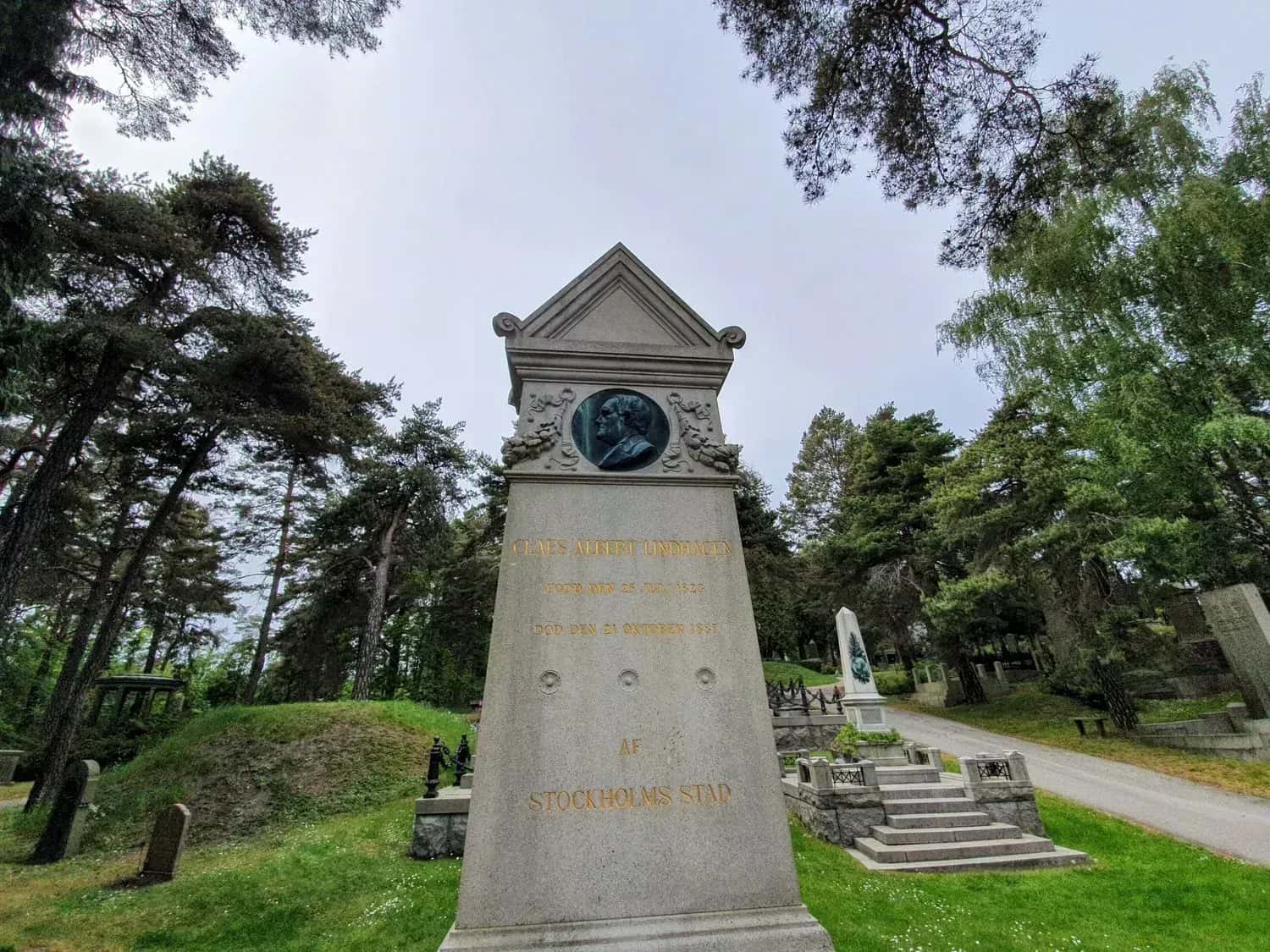
– Flera medlemmar av familjen Lindhagen ligger begravda på Norra begravningsplatsen, på det som kallas Lindhagens kulle – eller, med August Strindbergs ord: ”Fåfängans kulle”, dit han absolut inte ville flyttas. Strindberg ville hellre ha jord under naglarna än ligga bland monument och borgarstånd.
✨ Nästa gång du går förbi ett lummigt koloniområde eller en charmigt sned innergård – tänk en tanke på Anna. Utan henne (och utan hennes familj) hade Stockholm varit lite gråare, lite fattigare – och kanske till och med utan ett Nobelpris.