Hitorical walks in Stockholm
Discover Stockholm's history through unique walks: from Mariaberget's cobblestone streets to the tranquility of Skogskyrkogården.
Historical environments, urban episodes and green rooms shape the tone and content of the walks.
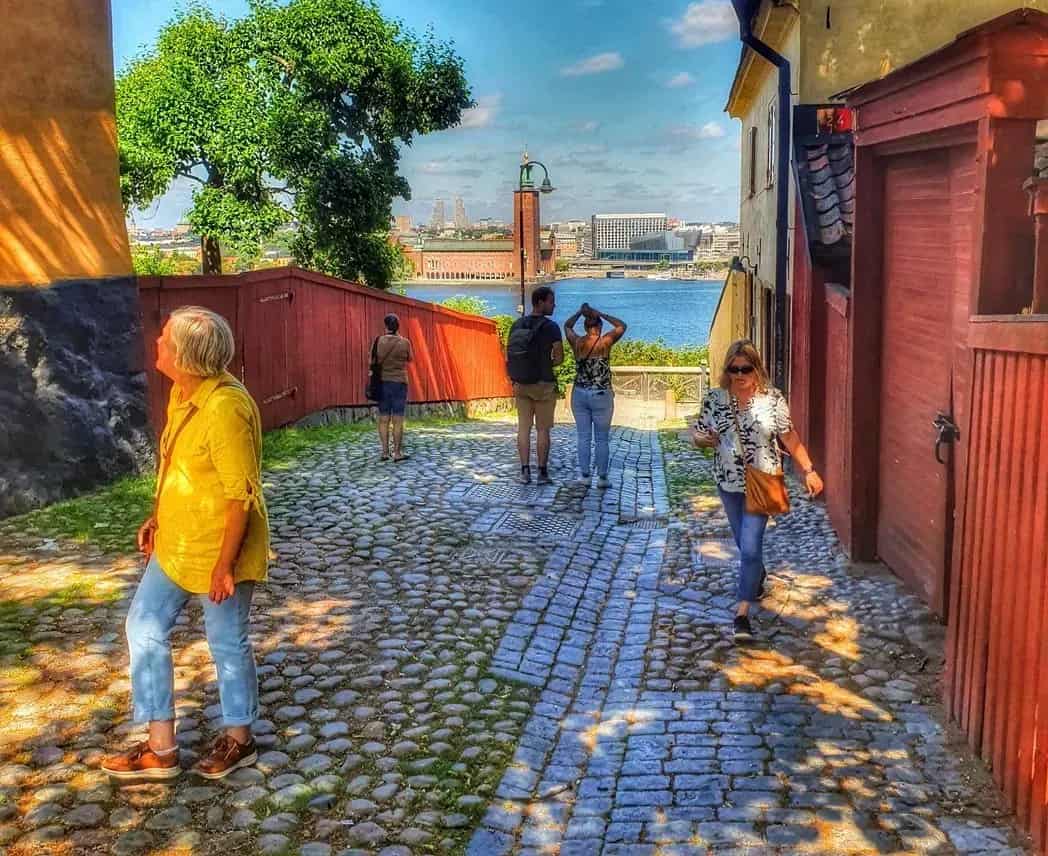
Mariaberget (Södermalm's heights) – guided city walk in historical quarters
The walk on Mariaberget takes place on foot in smaller groups, where lanterns are lit when dusk falls (during the winter months) and turns the city into a stage.
Here you get to hear the stories right where they happen, in stone, stairs and heights.
We meet the people who lived here – before 1861, before running water, before obvious security.
The unique thing is how the story always takes place with you at eye level, listening and in the present.
The city speaks, I interpret – and you take feeling and knowledge home in your chest.
- 🌿 Sustainable travel with storytelling at heart
- 🚶 Slow guiding – walk slowly, see more, feel more
- 📜 History through people, senses and details
- 💬 Responsive dialogue and inclusive meetings
- 🕯️ Warm knowledge that touches, doesn't sell
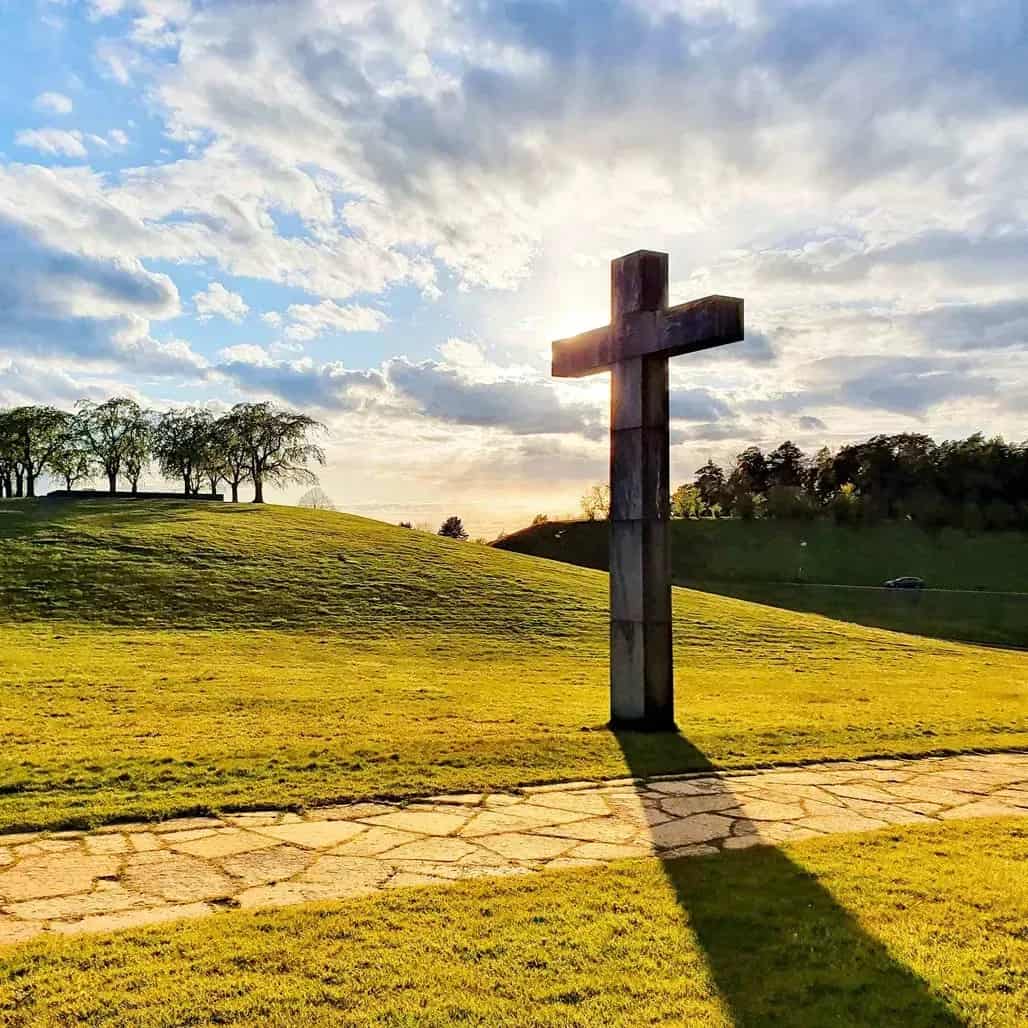
Join a city walk in Skogskyrkogården, one of Stockholm's most atmospheric World Heritage Sites. Here, forest, stone and architecture interact in a well-thought-out whole, shaped by Gunnar Asplund and Sigurd Lewerentz.
The chapels lead the steps through the landscape and provide space for both farewell and reflection. During the walk, we encounter personal human destinies, and stories about Greta Garbo and the cat Ville, among others.
This is a listening, slow guidance where architecture, nature and stillness are given space – and where you become part of the story, here and now.
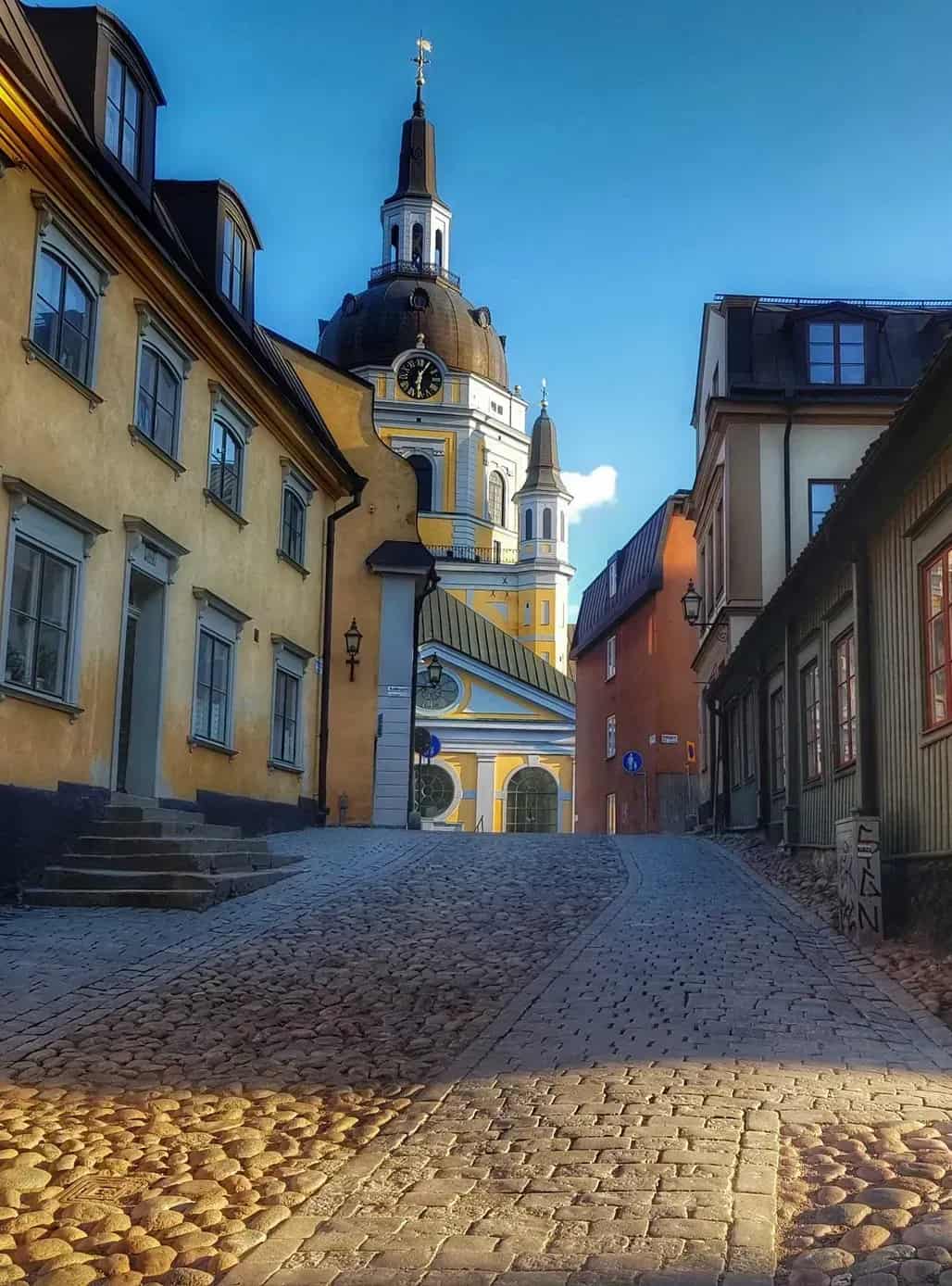
Friday evening on Katarinaberget - stories, views and taste
Join the Green Guide Stefan Maurbakken on an atmospheric evening walk over Katarinaberget, one of Södermalm's most dramatic and historically charged heights. Here, sweeping views of Saltsjön meet stories of fires, witch trials, factories and everyday life in narrow alleys.
We move along Roddargatan, Mosebacke and Fiskargatan – in the footsteps of Årstafrun, who with a sharp eye documented the city's scents, movements and voices.
The walk ends with something to chew on and something in the glass – a taste of Sweden, to share around the table.
A city walk for those who want to start the weekend with history, views and stories at a slow pace – and let Friday evening take shape in Södermalm.
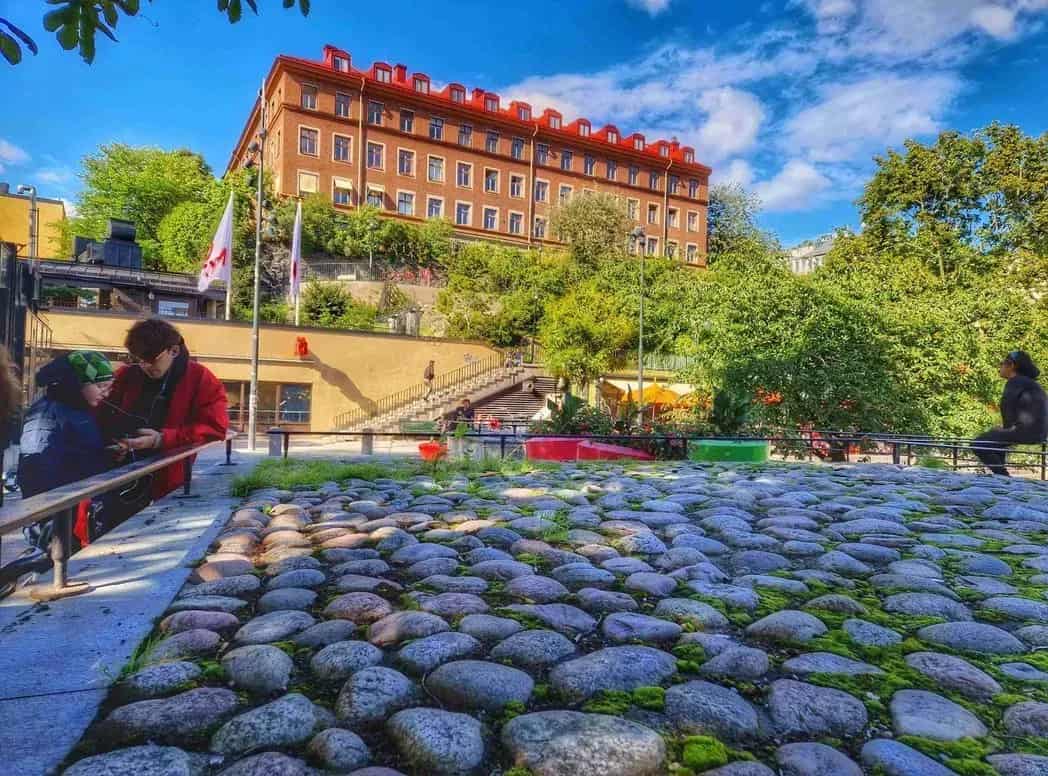
Fatburen – the secret lake
We step in via 1793 by Niklas Natt och Dag, where the lake functions as a stage for class, body and mystery.
We pass Pelarbacken and the remains of Dunderkransen's mill cottage. The route continues through Fatbursparken's green room where shadow and laughter coexist. Here lies the memory of Hotel Göteborg as a backdrop in the imagination.
Postmodern architecture gives the area a new rhythm in contrast to the invisible lake under your feet.
We meet the city's social strata through folk life, work and rumors that have shaped Söder's identity.
The tour ends at Maria Magdalena Church where the stillness lets the story sink in.
You leave the tour with a feeling that the place continues to live in dialogue with you, not behind you.
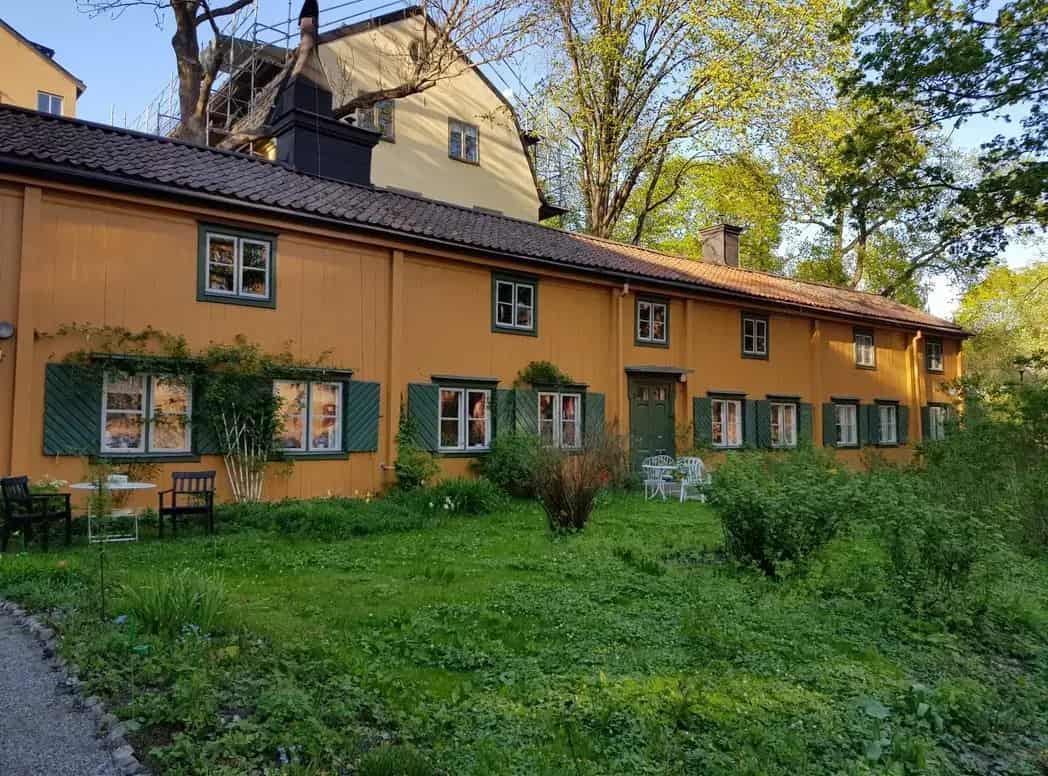
In Barnängen, workers still dye and sew uniforms for the Carolinians in their imagination.
We step into stories about the girls at the reform school and stop at Faggens krog where rumors and community live on.
In Vitabergen, Elsa Borg tells of struggle, faith and the power to change living conditions.
The tour is unique because it allows working life, children's voices and the city's transformation to be expressed through the meeting, not through the filter of "the past".
The tour ends at Sofia Church, where the view and the stories linger when you go home.
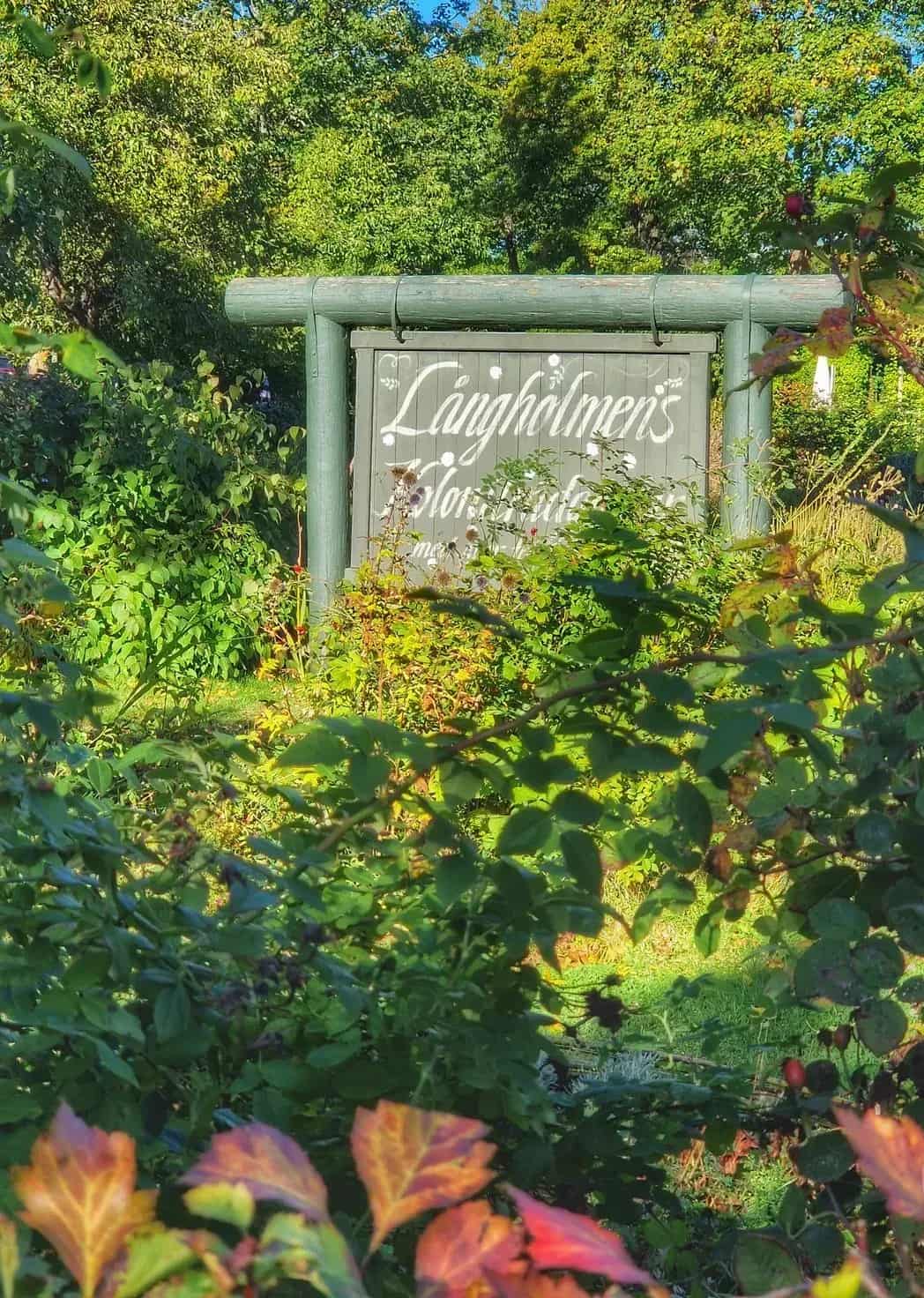
Långholmen – a cellular walk between prison, island life and colony history
Långholmen carries a cellular history. In 1724, a spinning house was established here, a women's prison where the inmates were forced to work with textile production. Until 1825, women were imprisoned here for everything from begging to what was called "immoral living". As the business grew, a former malmgård was expanded to accommodate more prisoners.
When the women moved out, Långholmen became a male central prison with 127 cells. During the city walk, you get an insight into the prisoners' everyday life and how discipline, work and isolation characterized life behind the walls.
We see Stora vakten, the prison walls and the director's residence – but also encounter another side of the island. In western Långholmen there are allotments, Karlhälls gård and traces of summer pleasures at Sofieberg. With the help of historical images, the island's transformation emerges, from punishment to tranquility.
The walk ends at Långholmen, near a café and toilets.
Fogelström's poor figures – the workers' Söder in the footsteps of the novel
We step in via City of My Dreams and move from Bryggartäppan to Lotsgatan through a city of brick, textiles, toil and hope.
Here we meet the early women's strike and hear how women organize themselves for better conditions in everyday life, not in the wings.
We pass Nytorget and get to know Lotten and Henning where their history continues to take shape, reputation and direction in the same neighborhood we stand in today.
The tour is unique because it unites the novel's people, real working life and the dialogue with you who walk alongside – the story feels like something that is happening, not something that is read out.
surprises.