Sabbatsberg – from health spring to the shadows of the city
Join us on a journey through Sabbatsberg Hospital's history, from health spring to poorhouse and finally a modern hospital.
In the middle of Vasastan, squeezed between Tegnérlunden and Norra begravningsplatsen, lies Sabbatsberg – an area whose history is far more multifaceted than most people realize. Here, stories of fresh air, poverty, culture and care meet – all with roots in 17th-century Stockholm.
Valentin Sabbath and the first manor house
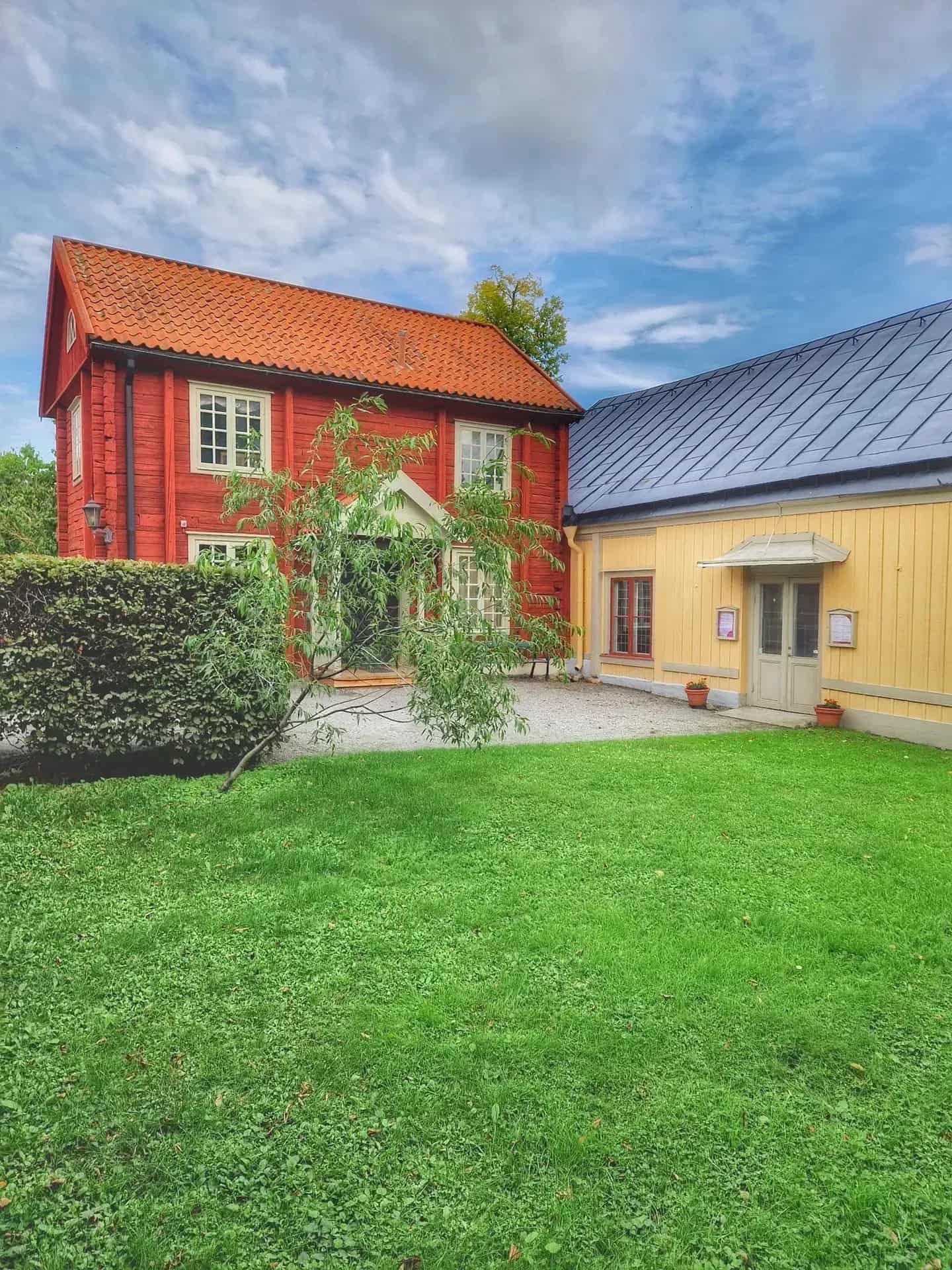
The originator of the place's name was Valentin Sabbath, a successful merchant in the 17th century. He had a magnificent malmgård built here, a rural manor on the outskirts of the city where wealthy Stockholmers liked to retreat. The farm was later expanded and adapted, but Sabbath's name lives on in the area to this day.
Inn and health spring
In the 18th century, Sabbatsberg was transformed into a place for recreation. An inn and a health spring were established here, where the people of Stockholm gathered to drink from the spring and socialize in accordance with the fashion of the time. One visitor noted in 1760: "The spa visitors wander with glasses in their hands, accompanied by music and laughter, and it is as if the water itself has been transformed into wine."
It was the amusement park of the time – music, dance, drinks and social life in an environment where fresh air and "healthy water" attracted both burghers and nobility.
Poorhouses and Josabeth Sjöberg's watercolors
But Sabbatsberg also had another side. Poorhouses were built here, providing shelter for the city's most vulnerable. The artist Josabeth Sjöberg, known for her detailed watercolors of Stockholm interiors, lived for a time at Sabbatsberg. She depicted small rooms with simple furniture and wrote: "Here there is no abundance, but kindness and patience shine from the eyes of the poor."
Her works give us today a unique insight into the people who lived here, far from the cheerful murmur of the health spring.
The sour well tradition
Sabbatsberg's spring became part of the broader sour well tradition in Stockholm, where oxygen-rich water was believed to cleanse the body and bestow health. Like Surbrunnsparken by Sveavägen and other well sites, Sabbatsberg attracted both patients and pleasure-seeking guests. As a contemporary doctor put it: "The well gives strength to weak nerves and drives away melancholy, but most of all it provides company."
The hospital and the morgue
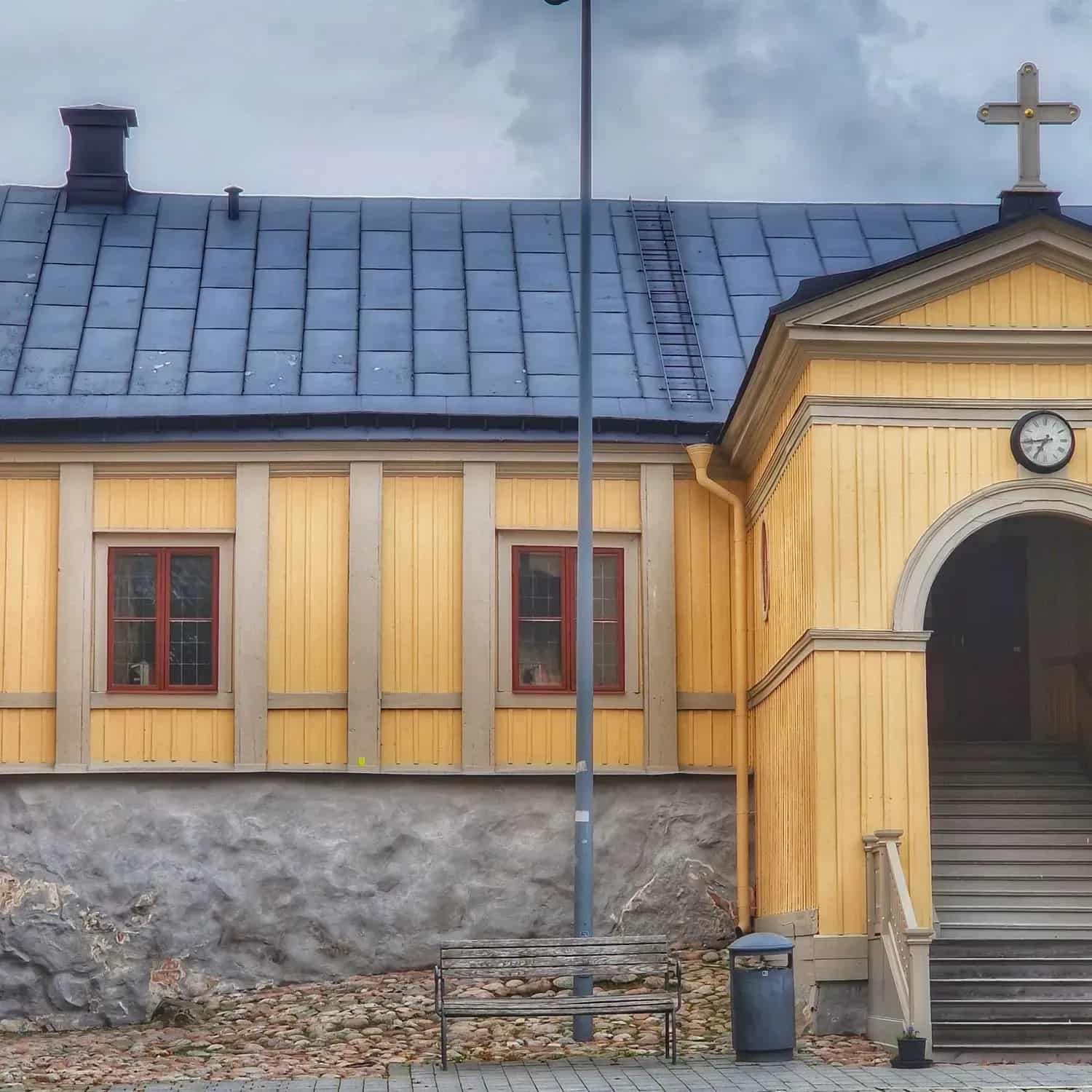
During the 19th and 20th centuries, Sabbatsberg grew into a center for healthcare. Sabbatsberg Hospital became an important institution in Stockholm and was expanded in several stages. Next door was also a morgue, a reminder of the harsh conditions for the city's poor and sick.

An area full of contrasts
Sabbatsberg thus encompasses the entire spectrum of human experiences: from Valentin Sabbath's magnificent estate and its extensions to the misery of the poorhouses, from the health spring with its lively inn life to the heavy seriousness of the hospital.
Even today, as we stroll past the old buildings or through Tegnérlunden, history echoes with both laughter and sorrow. Sabbatsberg reminds us of how closely linked joy and suffering have always been in the life of the city.