Katarinaberget – between cholera, bottle caps and artists
Join us to Katarinaberget in Södermalm, a place rich in drama, art and poignant history.
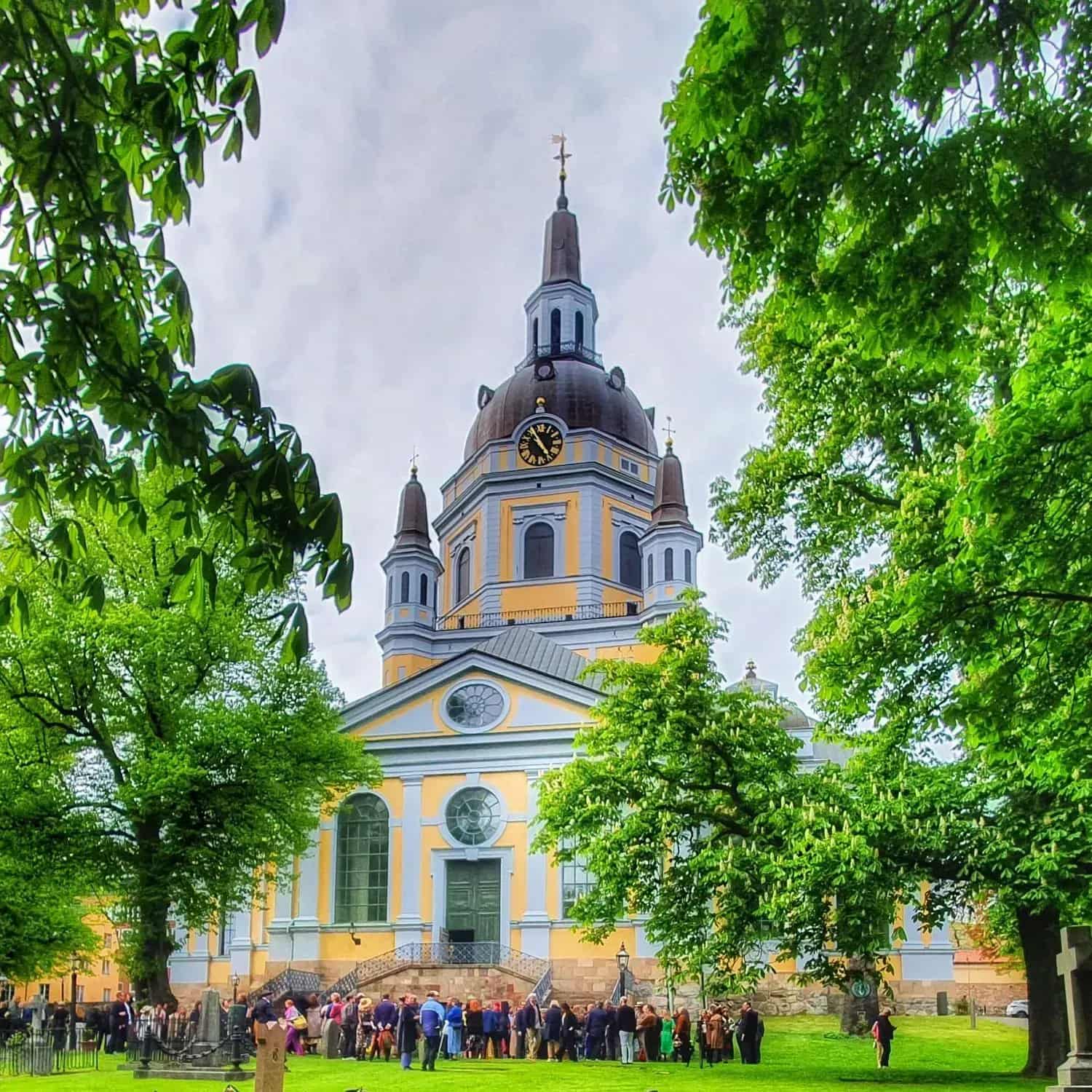
Katarinaberget in Södermalm is a place where dramatic events in Stockholm's history are close together. Here, disease and fire, superstition and industry, everyday life and art meet.
The ravages of cholera
When cholera struck in the 1800s, Katarinaberget was particularly hard hit. Overcrowding and lack of clean water made the epidemic merciless, and death became part of everyday life. The building that is now Hotel NOFO functioned during the epidemics as a place where the sick could be isolated and cared for – a reminder of a time when diseases controlled entire societies.
Fire and disaster
Katarina Church, which watches over the mountain, has burned down twice – first in 1723 and then in 1990 – despite the fact that there have been fire stations nearby. Each time, the church has risen from the ashes, symbolically and literally.
The dark shadow of witch hysteria
In the 1600s, the witch trials reached here. The so-called Gävle boy, Johan Johansson Griis, pointed out women as witches during the trials in 1675–76, which led to several innocent people being sentenced to death.
Factories and artists
In the 1800s, the slopes of Katarinaberget were filled with bottle cap factories, breweries and small workshops. The workers' everyday life left its mark on the area, while artists and bohemians were drawn to its dramatic stairs, winding alleys and views of Saltsjön. Söder became a breeding ground for creativity where the grind of everyday life met the free spirit of art.
The cemetery and its personalities
Many of Sweden's most famous cultural figures and social profiles rest at Katarina Cemetery. Here are the graves of the singer Cornelis Vreeswijk, the author Per Anders Fogelström, the actor Michael Nyqvist, and the playwright Hjalmar Gullberg. Politicians, priests and artists throughout history have also found their final resting place here. The cemetery is as much a place for reflection as a living story about Sweden's modern cultural history.
A mountain with many layers
Moving across Katarinaberget is like walking through a piece of living history. Here are traces of cholera, the drama of the church, the darkness of the witch trials, the echoes of industry and the inspiration of artists. At the same time, the cemetery reminds us of the people who shaped our present. All this makes Katarinaberget one of Södermalm's most charged and fascinating places.
✨ And for those of you who want to experience the mountain for real, I arrange (almost) every Friday at 18.00–19.30 a city walk in the neighborhoods – with history, views and a glass in hand. Read more on the website! https://dengronaguiden.understory.io/