The history of the elevator in Sweden – from luxurious novelty to commonplace
Join us on a journey through the history of the elevator in Sweden, from luxurious novelty to commonplace, with a special focus on the Katarina Elevator.
Imagine Stockholm at the end of the 19th century. Horse-drawn carriages clattered over the cobblestones, factory smoke lay like a haze over the city, and new high-rise stone buildings were emerging. At the same time, an invention began to take hold that would forever change how we move between the city's floors: the elevator.
From goods elevator to human transport
The first elevators in Sweden were simple goods elevators in department stores and factories. But as the city grew in height, the dream of avoiding the long staircases was awakened. One of the early players was Graham Brothers, who had their workshop in the corner of Garvargatan and Kungsholmstorg. The brothers were pioneers and delivered some of the first modern passenger elevators to stately houses in Stockholm at the end of the 19th century.
Katarinahissen – the city's pride
At the same time as the elevators took their place in private palaces and new apartment buildings, the idea grew to also make differences in height in the city more accessible. It was the entrepreneur and engineer Knut Lindmark who in 1881 had Katarinahissen built, then called Elevatorn.
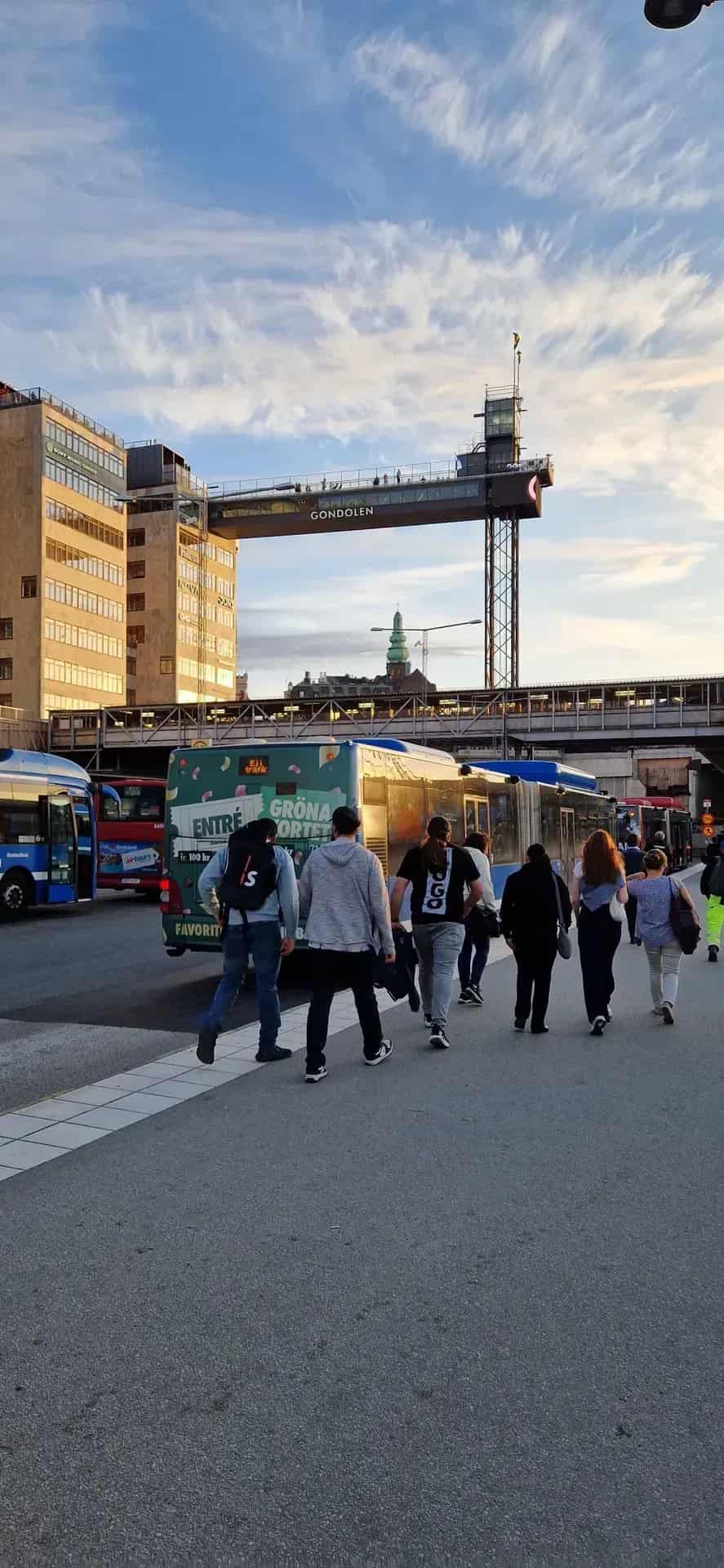
The purpose was as ingenious as it was modern: to take people from Stadsgårdshamnen up to Mosebacke torg in a few seconds – a height difference of 38 meters. For the rapidly growing port and industrial city, it was a revolution. The elevator became both a technical marvel and a public magnet. The viewing platform at the top soon became an obvious destination for Stockholmers who wanted to see their city from above.
Katarinahissen was also a showcase for Swedish engineering. When the first Elevatorn was replaced in 1915 to make way for a larger and more modern construction, it was still the same idea that drove the project – to make Stockholm more accessible in height.
From status to standard
In the residential buildings, the elevators were initially a luxury symbol. Beautiful wrought iron doors, wood panels and brass fittings made the journey a small experience in itself. The electric elevators that came around the turn of the century in 1900 made the technology faster and more reliable – and soon the elevator became as obvious as running water for those who moved into new properties.
Today we take it for granted. But when you stop and see an old cast iron elevator car, or stand at the foot of Katarinahissen and think of the first Elevatorn, you understand that this was technology that fundamentally changed everyday life.
Elevators – everyday comfort and cultural heritage
As a guide, I love to point out the details: an old elevator door with a hand crank, worn brass signs or the stories of how entrepreneurs like Knut Lindmark dared to invest in something that felt futuristic. The elevators are not just machines – they are storytellers of time.
💡 Do you want to hear more unexpected stories about technical breakthroughs and the people behind them?
Join me on a city walk where we look for traces of innovation, work and dreams – from Graham Brothers' first elevators in Kungsholmen to Katarinahissen's bold lift between the harbor and Mosebacke.